Couch Confidentials: The Secret Lives of Psychotherapists

Ever wondered about the enigma behind the doors of a therapist's office? Imagine a world where minds meet over mochas and couches become confidants. The world of psychotherapy is both intriguing and transformative, made even more captivating in the UK setting. This blog is your backstage pass into this extraordinary realm. Have you ever considered what makes therapists tick? Or how they effortlessly guide clients through complex emotional landscapes? It's about more than just a comforting presence. This world involves a sprinkle of humour, a dollop of empathy, and sometimes, the psychological magic of fluffy socks. Get ready to dive into the day-to-day adventures of psychotherapists, the specialties they embrace, and the maze-like pathways aspiring therapists must navigate. Whether you're contemplating a career in therapy or simply curious about mind-mending, you're in the right place. Join us as we explore the unseen, quirky heart of psychotherapy and uncover what happens when therapists attempt to balance their own mental health while aiding others.
The realm of psychotherapy isn't merely an office filled with a couch and a box of tissues. It's an arena where minds meet across modalities, from cognitive-behavioural chuckles to existential eyebrow raises. They don't just solve puzzles of the mind—they paint masterpieces of mental clarity. As we peel back the curtain on the secret lives of therapists, you'll find insights into the different modalities used and the significance of creating an atmosphere of safety and confidentiality. It's exciting to glimpse how breakthroughs occur without breaking a sweat. In these spaces, laughter might mingle with tears, where deep personal revelations sometimes come dressed in humour. Who knew psychology held such an intricately fascinating world?
Psychotherapy requires more than intellect and charm; it's a combination of art and science. And let's not forget the unexpected co-therapist—pets! Watch as we delve into why sometimes, a therapist's four-legged companion might play an outsized role in session dynamics. Sprinkle this journey with a laugh-out-loud moment or two, and you’ll uncover how those working in mental health maintain their sanity while acting as guardians of psychological well-being. Buckle up and prepare to gain insight into a world where breakthroughs occur, helping people one couch confession at a time.
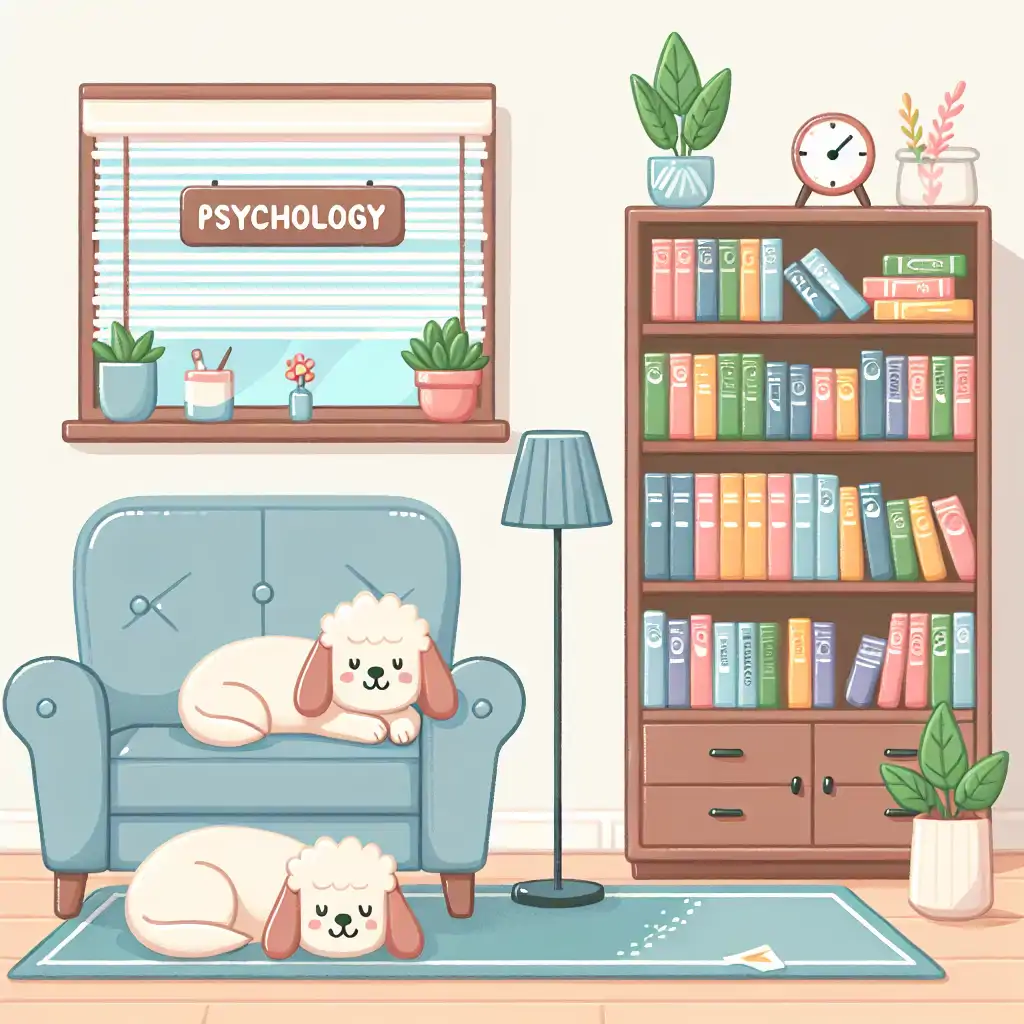
The journey behind the therapist’s door begins with a steaming cup of coffee, a quiet office, and an open mind. Yet, what does it really mean to sit on the therapist’s side of the couch? For many therapists in the UK, it starts with an eclectic mix of formal education and empathetic intuition. It's both a rigid discipline and an open-ended conversation. From cognitive-behavioural comedy routines that challenge unhealthy thinking to the engrossing quest to find meaning in existential therapy, different modalities provide therapists with diverse tools to navigate each session's unique challenges.
Therapists work with an array of approaches, each having its specialty and flair. Cognitive-behavioural therapy (CBT), with its rooted science-backed strategies, is like a cognitive workout. Therapists use CBT to help clients reshape their thinking patterns, reducing stress and improving mental health. Meanwhile, psychoanalysis delves deeper into the subconscious, where tales of past and present converge. It involves a complex dance between therapist and client, untangling deep-seated issues to bring clarity. In contrast, existential therapy challenges clients with life's ultimate questions. Why am I here? What's my purpose? Therapists help unravel these existential knots, providing clients with a renewed understanding of their place in the world.
Gestalt therapy adds another layer to this rich tapestry, embracing the 'here and now' and driving personal growth through awareness and experience. This modality encourages clients to explore their emotions and experiences fully and fosters growth by integrating mind, body, and spirit. Then there's person-centered therapy, pioneered by Carl Rogers, where empathy, genuineness, and unconditional positive regard form the foundation of the therapeutic relationship. Here, therapists serve as facilitators, empowering clients to find their own paths to healing.
Dialectical behaviour therapy (DBT) is another star in the therapeutic constellation. Developed by Marsha Linehan, it's particularly effective for individuals with borderline personality disorder. It combines CBT with strategies of acceptance and mindfulness, equipping clients to better handle complex emotions. Integration in psychotherapy is not just a theme—it's a way of life. Therapists often blend these methods to tailor treatment plans perfectly suited to each client's needs, representing a beautiful balance of technique and personal connection.
The training and qualifications required to become a psychotherapist in the UK are rigorous and comprehensive. Aspiring therapists typically need a degree in psychology, followed by specialized training accredited by professional bodies like the British Association for Counselling and Psychotherapy. This path isn't a simple stroll but a challenging journey demanding dedication, resilience, and a penchant for continuous learning. Critics could say you need a degree in wizardry, not just psychology, to interpret the unspoken emotions and complex thoughts that fill a session.
Even seating arrangements hold their nuances in therapy sessions. Eye contact, open body posture, and occasionally the unexpected joy of well-chosen fluffy socks create an environment conducive to open dialogue. There's a surprising psychological edge to soft, comfortable socks; they offer warmth—not just to feet but metaphorically—in creating an atmosphere of safety that can ease tense nerves. While cushions and couches play supporting roles, it's the robust framework of a therapist's skill set that makes these sessions so impactful.
Alongside technique and wisdom, humour plays a vital role in therapy, breaking tension and fostering a sense of connection and ease. It's a subtle skill, where therapists must tread lightly to balance levity with the seriousness of therapy. A well-timed joke or an unexpected chuckle can break down barriers, allowing clients to relax, reflect, and open up—often quicker than questions can.
Of course, a therapist's life isn't all neutrals and wisdom. Ironically, while helping clients navigate their upheavals, therapists sometimes face personal struggles. How do therapists remain the calm in everyone else's storm while dealing with their own challenges? Maintaining their mental health is vital as they embark daily on others' emotional journeys. From supervision sessions to self-care rituals, therapists need to stay grounded, often relying on personal therapy to handle the demands of their roles.
In the realm of therapy, the relationship is a two-way street. As much as clients grow and change, therapists, too, find transformation at every session's close. One unexpected variable in this dynamic is the role of pets. There's a growing trend of pets in therapy sessions—be it a calming cat or a goofy golden retriever. These animal co-therapists sometimes unlock emotions resistant to traditional methods.
Pets offer a unique, non-judgmental companionship, forging connections in the therapy room that might elude even the most seasoned therapists. Their presence can offer comfort and warmth, helping clients open up avenues of expression otherwise left unexplored. Studies have shown that pets in therapy settings offer significant support, reducing anxiety and promoting relaxation. Not every therapist has a tail-wagging assistant, but those who do often welcome the unique bond it creates.
Balancing science and personal connection, therapists see a kaleidoscope of emotions translated into words. A therapist's toolkit isn't only filled with methodologies but also includes their authenticity, empathy, and adaptability, essential for fostering trust and facilitating healing. It's through these lenses that breakthroughs happen—not necessarily with rapid epiphanies but rather as gradual, profound realizations.
Choosing to become a psychotherapist means embracing both the triumphs and trials inherent in the job. For those exploring psychology as a career, understanding the specializations within therapy is essential. Some, like psychodynamic therapy, delve into the psyche's depths and roots, requiring endless patience to navigate the labyrinth human consciousness presents.
The nuances of therapeutic relationship-building may appear simple but require distinct skills. Therapists must read verbal and non-verbal cues, balancing questions with silence, to allow stories to unfold at a pace selected by the client rather than being driven by the therapist's agenda. It's a dance involving mutual respect and understanding, a blend of orchestration and improvisation.
And there’s the unexpected superhero role: therapists as emotional first responders. With burnout a professional hazard, therapists must learn not only how to revitalize themselves but how to establish boundaries, protecting both their emotional bandwidth and time. While smartphones are standard tools, therapists generally prefer mindfulness apps over social media distractions. Adding journaling and mindfulness exercises creates a well-rounded self-care routine.
The path to becoming an effective therapist is long and rigorous but promises fulfilling rewards. It requires academic excellence, emotional intelligence, and an innate curiosity about the human condition. Successful therapists are adept at merging this combination with compassion and resilience—a perfect cocktail for mending fractured minds. However, it's important for aspiring therapists to remember, self-care isn't indulgent luxury but a vital necessity.
Reflecting on how therapists balance their own mental health, it becomes clear that like any skill, maintaining psychological resilience requires practice and diligence. It's during these moments that therapists tend to reach out to their peers, talk through challenges, and reinforce their protective coping mechanisms. It’s a community that fosters support and continuous learning.
The therapeutic environment is a palpable mixture of softness and strength. For clients seeking help, it’s knowing someone is walking beside them through life's treacherous paths. For the therapist, it’s an incredible dedication to ensuring that each session brings clarity and progress, one layer peeled back at a time.
Momentous, isn't it? The thought of influencing a person's journey to healing is profound. Hugging anonymity tightly, therapists cherish these private triumphs. It’s a beautiful, intricate dance of minds, where they guide, never push. Still, beneath the professional exterior lies a continuous pursuit for self-improvement—because every therapist once started as a curious student, eager to understand the cog wheels of this broad discipline.
Ultimately, being a successful therapist is not about textbook knowledge but rather a reflection of authenticity, humility, and the courage to traverse unknown terrains of the human psyche. It’s not for everyone, but for those brave enough, it’s noble—yet frequently humorous—work. Remember, on this journey, fluffy socks and noble pets are optional but highly recommended for navigating these quirky adventures.

So here we stand, at the crossroads of understanding and curiosity, having glimpsed into the fascinating world of psychotherapy. It's more than a mysterious realm hidden behind closed doors; it's a tapestry of modalities and specialties enriched by human connection. From the serious to the humorous, therapists provide the scaffolding that allows clients to build their own guiding insights. Balancing their mental health while augmenting resilience is both a challenge and an art form—one many therapists continually master.
For those contemplating a career in this field, remember that within the UK psychology landscape are countless paths leading to diverse patient outcomes. Not all therapists excel at everything; instead, discover what resonates with you, be it reading minds over mochas or decoding dreams with existential wisdom. Here, where minds meet, you may find not just a career but an enriching lifelong journey.
As we've unraveled the secret lives of therapists, it’s clear why pets might sometimes make the best co-therapists and why occasionally, a pair of fluffy socks can make all the difference. Remember that both clients and therapists are striving for growth and understanding in this transformative experience. Until next time, continue to explore, reflect, and maybe even join us in the playful yet profound pursuit of psychotherapy.
Thanks for taking the time to read my article! You may also find this one interesting.
From Sigmund to Snapchat: The Evolution of Child PsychologyTil next time! Prijanka

Prijanka
Prijanka is a wellness coach and inspired blog writer. Drawing from her expertise in holistic health and her talent for motivating others, she writes insightful articles that empower readers to live healthier, more balanced lives, blending practical advice with a genuine passion for well-being.
A proud member of the B-Team
If you're curious to dive deeper into related topics, then you may find these external links useful.
1. British Association for Counselling and Psychotherapy
Explore the professional body that accredits psychotherapists in the UK, offering insights into training and standards.
https://www.bacp.co.uk/2. Cognitive Behavioral Therapy Explained
An in-depth look at CBT and its methodologies, providing context for how it reshapes thinking patterns in therapy.
https://www.mind.org.uk/media/8504/cbt-2017-pdf-version.pdf3. Existential Therapy and Its Principles
Dive into the philosophy and techniques of existential therapy, examining how it addresses life’s fundamental questions.
https://www.bacp.co.uk/about-therapy/types-of-therapy/existential-therapy/4. Gestalt Therapy: Awareness in the Present
Understand Gestalt therapy's focus on the 'here and now' and how it fosters personal growth through awareness.
https://psychcentral.com/health/gestalt-therapy5. The Role of Pets in Therapy
An exploration of how animals are integrated into therapy sessions, enhancing the therapeutic experience for clients.
https://www.bacp.co.uk/bacp-journals/healthcare-counselling-and-psychotherapy-journal/october-2020/the-healing-power-of-pets/©2023 - 2026 SP Software Solutions Ltd. All rights reserved.