Lost in Translation: Exploring the World of Cross-Cultural Psychology

Welcome to the mesmerizing realm of cross-cultural psychology, where your mind's GPS might just need a recalibration. Picture this: a room full of people from different cultures, each equipped with a unique toolkit of thoughts, emotions, and behaviors. It’s as if a dozen maps are laid out on a table, each illustrating a different territory – only those lands are the human psyche. Cross-cultural psychology delves into how these cultural backgrounds sculpt our inner worlds. It's a field that doesn't just ask who are you, but rather, where are you coming from?
In this article, we embark on a wild ride through cross-cultural psychology, exploring how cultural contexts shape everything from perceptions to personality quirks. We'll share some hilarious anecdotes that reveal how easily things can go awry when cultures collide, and dissect case studies that underline the challenges and triumphs of working with diverse populations in the UK. You’ll also uncover the unique ethical considerations psychologists face and learn about the adaptive strategies they employ. Whether you are a student unsure about your next step in psychology or merely curious, we promise an adventure filled with laughter and insight. So, grab your metaphorical passport and join us on this exploration, as we unravel the threads of culture and cognition.
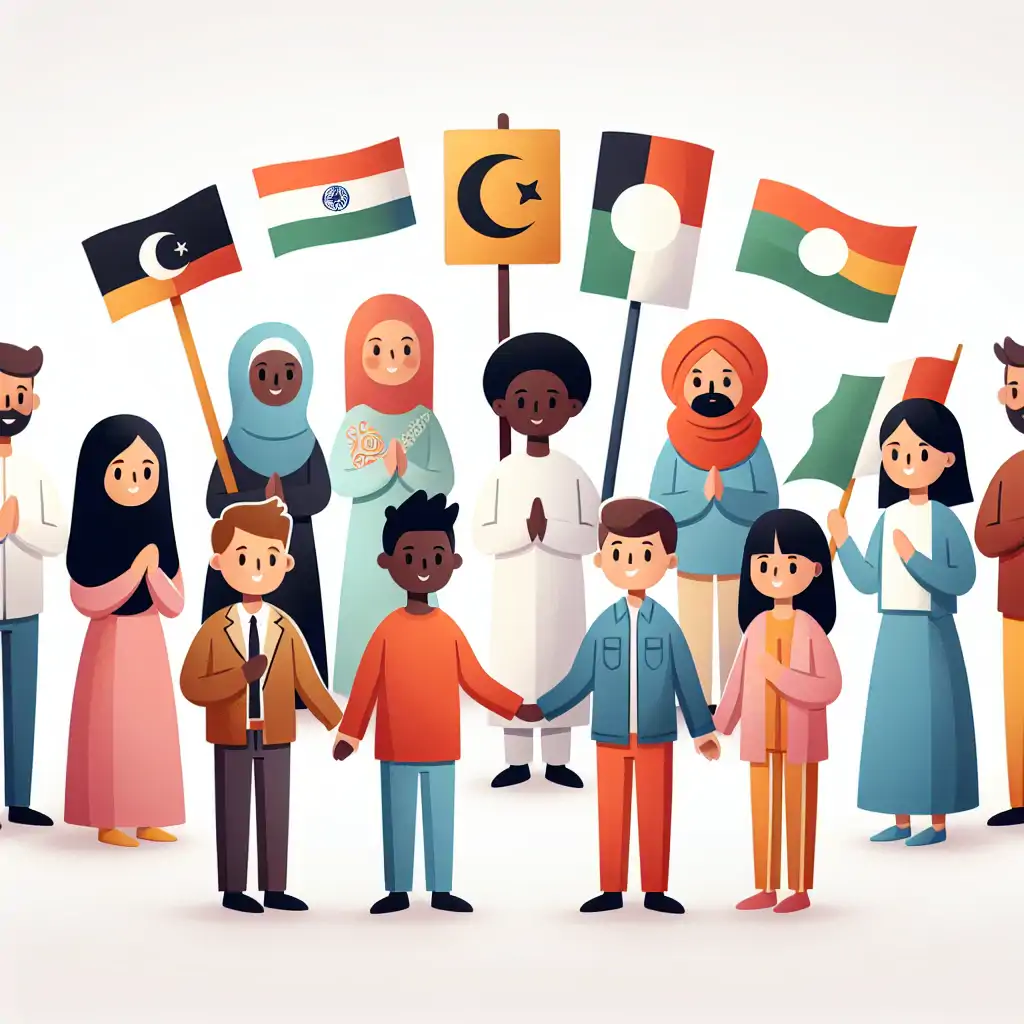
Understanding cross-cultural psychology begins with distinguishing between two major perspectives: etic and emic. These terms, sounding like cousins of Tik and Tok, represent two lenses through which to view cultural influences. The etic approach looks for universal traits—those musical rhythms that resonate regardless of cultural notes. Meanwhile, the emic approach dives deep into cultural specifics, like the local dance everyone knows but you. Navigating these approaches can sometimes feel like attending a bilingual stand-up show, only with serious implications.
Working with diverse populations in the UK offers its own set of challenges and unique joys. Imagine being a psychologist trying to decipher what's behind a patient's reluctance to engage. It could be a cultural norm you're oblivious to. For instance, in some cultures, maintaining eye contact with an authority figure can feel like staring into the abyss. Knowing this can transform perceived aloofness into a mutual understanding. In the multicultural tapestry of the UK, learning these nuances is crucial for effective practice.
One amusing aspect of cross-cultural psychology is the plethora of delightful misunderstandings it unveils. Take the British phrase I’ll give you a bell! If translated directly, someone might be waiting for an actual bell (or distinctly confused). Such phrases can become traps if practitioners aren’t attuned to local idioms. Imagine a therapist telling a new immigrant to ‘put a pin in it!’. Such humour-infused challenges bring to light the importance of cultural fluency in therapeutic settings.
Cross-cultural psychology doesn’t just play out in therapy offices; it lives in classrooms, boardrooms, and canteens. Take universities, where students from around the globe converge, sometimes resulting in curious social experiments. One case study spotlighted a group project where students’ differing cultural expectations on leadership turned a simple report into a political drama. Turns out, rotating leadership was a foreign concept to those accustomed to clear hierarchies. Thankfully, such ‘dramas’ are learning opportunities, rich with insights into intercultural dynamics.
Understanding cultural dimensions helps psychologists adapt their therapeutic techniques to the client’s background. For instance, individualistic cultures, which value autonomy, might respond well to cognitive behavioural therapy focusing on self-efficacy. Conversely, people from collectivist backgrounds might benefit more from family-inclusive therapy approaches. Like chefs tweaking a recipe for local palates, psychologists fine-tune their methods to fit cultural vibes. It's the art of psychology meeting the science of cultural diversity.
The ethical landscape in cross-cultural practice is as complex as the London Underground, yet equally navigable with the right map. One must tread with cultural sensitivity and awareness, ensuring respect for beliefs and customs. Ethical challenges include balancing respect for cultural practices while safeguarding individual rights. For example, notions of time can vary drastically; while some cultures prioritize punctuality, others may regard time more fluidly. Such differences necessitate a harmonious blend of cultural respect and professional guidelines.
Cultural adaptations in therapy encompass language, metaphors, and even humour. Picture a therapist joking with a client about ‘the stiff upper lip’ with a puzzled look in response – turns out the client is unfamiliar. Such moments are humbling reminders of the assumptions we carry. Therefore, cultural competence often involves being a linguistic chameleon, attuning to the client's expressive style and cultural references, taking care to ask, ‘What does this mean for you?’.
Let’s delve into an insightful case where a psychologist working with a Southeast Asian family uncovered layers of cultural expectations around mental health. The family’s view was shaped by the stigma surrounding mental disorders, often perceived as a ‘family shame’. The psychologist employed a culturally-congruent model, involving elders in therapy, which resonated profoundly with familial respect and honour. This underscores the importance of cultural competency as a bridge, not a barrier.
A humorous angle in cross-cultural psychology involves cross-generational encounters. Imagine a group of young immigrants puzzled by an elder British psychologist saying, 'It's just not cricket!’ The confusion at this quintessential British idiom highlights the humorous potential of cultural blind spots. Such encounters encourage therapists to embrace cultural ambiguity, viewing it as a chance for shared learning rather than a frustrating hurdle.
Feelings of belonging are culturally nuanced and can influence therapeutic outcomes. Various cultures have different ways of signalling acceptance or community membership. Some may use verbal affirmations, while others rely on non-verbal cues like food sharing. A memorable anecdote involves a practitioner mistaking silence for disengagement during a family therapy session, only to realize it was a cultural sign of mutual respect. Lessons learned? Never underestimate the power of food or a shared meal.
For budding psychologists contemplating a cross-cultural career path, the field promises an invigorating mix of intellectual puzzles and personal growth adventures. Picture it as psychological travelling – navigating stories, learning dialects and motifs in human behaviour tied to geography. It’s a practice area brimming with potential for cultural enrichment, where each interaction provides an opportunity to explore a new worldview or make a dish foreign to your palate local.
Cultural humility is a cornerstone of successful cross-cultural practice. It invites psychologists to step down from the expert podium, embracing a collaborative spirit. This humility might mean admitting ignorance by asking clients about their traditions or cultural ‘dos and don’ts’. Far from weakening authority, it strengthens the therapeutic alliance, crafting a safe space for open dialogue. In this, cross-cultural practitioners become students themselves, continuously learning from those they intend to guide.
A remarkable case study involves a therapist mindful of cultural differences in physical space. When working with internal migrants from rural UK areas, the therapist noted the clients felt most comfortable discussing issues outdoors. Shifting sessions to a garden setting created a natural rapport, demonstrating how environment influences therapeutic outcomes. Recognizing such subtleties aids psychologists in breaking down barriers and building bridges suited to each unique cultural expression.
Digital therapy introduces another layer of cultural considerations. Video sessions miss cues essential in face-to-face interactions, making it vital for therapists to hone in on verbal elements and background environments. In one story, a therapist misread a client’s short responses as disinterest – not realizing the client was navigating a living room filled with bustling family members. Understanding digital etiquette across cultures is as much an art as in-person sessions.
Language is more than vocabulary; it conveys values and worldviews. Being keenly aware of linguistic nuances is essential in therapy. Take proverbs; they encapsulate culture within compact expressions. Misinterpreting these can lead to amusing or awkward moments. A therapist once misjudged a client's reference to ‘leaping and sleeping’ – a common saying among a specific community, meaning a bold decision followed by reflection. Cross-cultural psychology is about embracing such linguistic adventures with an open heart.
The field also dives into how cultural identities intersect with global influences, forming dynamic, multidimensional personalities. One might call a Japanese-British client bicultural, but their identity might blend into something neither solely Japanese nor British. Understanding such intersections allows psychologists to tailor therapies that appreciate the unique flavours of hybrid cultures. These are the areas where culture and identity merge into something wholly individual, where therapy needs a personalized touch.
Family roles and expectations appear differently across cultures. In some, the eldest son might take on an exaggerated caretaker role, impacting his personal aspirations. In therapy, appreciating these dynamics leads to deeper understanding and better support for clients finding a balance. Such appreciation opens eyes to how cultural frameworks impact life choices, revealing both conscious and unconscious cultural blueprints within the psyche.
Working with immigrant populations involves understanding the psychological journey of nostalgia versus adaptation. This duality often surfaces in therapy as clients oscillate between retaining cultural roots and embracing new norms. An amusing scene plays where a therapist mistakenly assumes a client’s yearning for traditional festivals as reluctance to integrate, missing the nostalgia for family flavours. It’s an enriching area filled with learning opportunities, helping psychologists refine their approach.
Post-Brexit UK has its own cross-cultural nuances as a psychological landscape, highlighting growing needs for understanding within increasingly polarized communities. Psychologists find themselves navigators of new cultural waters, as attitudes and perceptions shift. This unique climate challenges psychological principles but also offers remarkable ground for creative problem-solving that respects diverse narratives while fostering unity and healing across divides.
Cultural festivals provide splendid opportunities for psychologists to connect with community values and shared expressions. By attending such festivals, they immerse themselves in clients’ cultural landscapes, gaining firsthand understanding. Whether it’s dancing around a Diwali fire or sharing hummus during Eid celebrations, these experiences enrich professional insights, equipping therapists to adapt healing conversations imbued with a sense of authenticity and resonance.
Animal-assisted therapies now incorporate culturally significant animals, recognizing their symbolic importance. For instance, in some cultures, horses reflect freedom and spirituality, encouraging psychologists to incorporate them in therapeutic contexts. An unforgettable anecdote involves a Scottish client opening emotionally after sessions with Highlands' iconic animals, a testament to cultural sensitivity in therapy design and implementation.
Cross-cultural psychology is an interplay between preserving identities and adapting to changes. Understanding these elements requires a delicate touch and nuanced perspectives. Therapists must tread lightly between guiding clients towards healthy change and respecting traditional values. A delightful encounter involved a psychologist learning a West African song his clients sung for joy and healing, thus blending the therapeutic process with cultural significance.
It's not uncommon for cross-cultural psychology to touch upon gender roles and expectations shaped by cultural norms. Exploring these roles helps challenge stereotypes or pressures affecting clients' mental well-being. Armed with compassion and understanding, psychologists can help clients navigate the complex labyrinth of cultural gender expectations, leading them towards individuality unhampered by rigid norms and enabling better familial and societal dynamics.
In the UK, cross-cultural psychologists encounter a tapestry of languages, each presenting unique challenges and opportunities. Conducting therapy in a client's native language can fundamentally alter the nature of therapeutic relationships, leading to greater authenticity and emotional release. However, translation errors also provide ample laughs—imagine a therapist wrongly interpreting 'having a mare' as clients frequently attended equestrian events. Such stories highlight the rich humour within cross-cultural practice.
Cross-cultural psychologists often utilize ethnographic methods to understand clients better, blending observation with participation. Whether joining a family dinner or attending a cultural seminar, these immersive experiences facilitate a richer comprehension of clients' worldviews. Through this participatory approach, therapists move beyond theoretical assumptions towards firsthand understanding, bringing new dimensions to therapeutic interactions.
Exploring cross-cultural psychology within the educational sector reveals fascinating dynamics. Students bring cultural habits that influence classroom behaviors and expectations. A charming scenario involved a teacher confused by student reticence, unaware it was respect for authority distilled from cultural tradition. Factoring in these subtleties enriches educator-student relationships, fostering academic environments where everyone’s cultural roots are acknowledged.
In conclusion, cross-cultural psychology weaves a rich tapestry of human experiences. It's about exploring how culture enhances and sometimes complicates the human experience. Through humour, stories, and insights, this article highlights how psychologists adeptly navigate these complexities to create inclusive, effective therapeutic environments. The journey is one of mutual learning and growth, a dance where each step is informed by nuanced understanding and cultural appreciation.
Cross-cultural psychology is as much about celebrating humanity's diversity as it is about finding unity amidst differences. For those embarking on this path, its challenges come with the reward of profound human connections. From amusing mix-ups to culturally transformative case studies, the field contributes to a broader vision of psychological practice. Whether you're a hopeful student or a curious mind, embracing cross-cultural psychology opens doors to a vast landscape of enriching possibilities.
So, whether you're pondering a career in psychology or just curious about the vibrant palette of human experiences, consider how cross-cultural psychology could shape your journey. It offers not only professional development but a richer understanding of the intricate tapestry of life. Stay open, stay curious, and you'll find that culture is not just a backdrop, but an integral part of the human narrative.
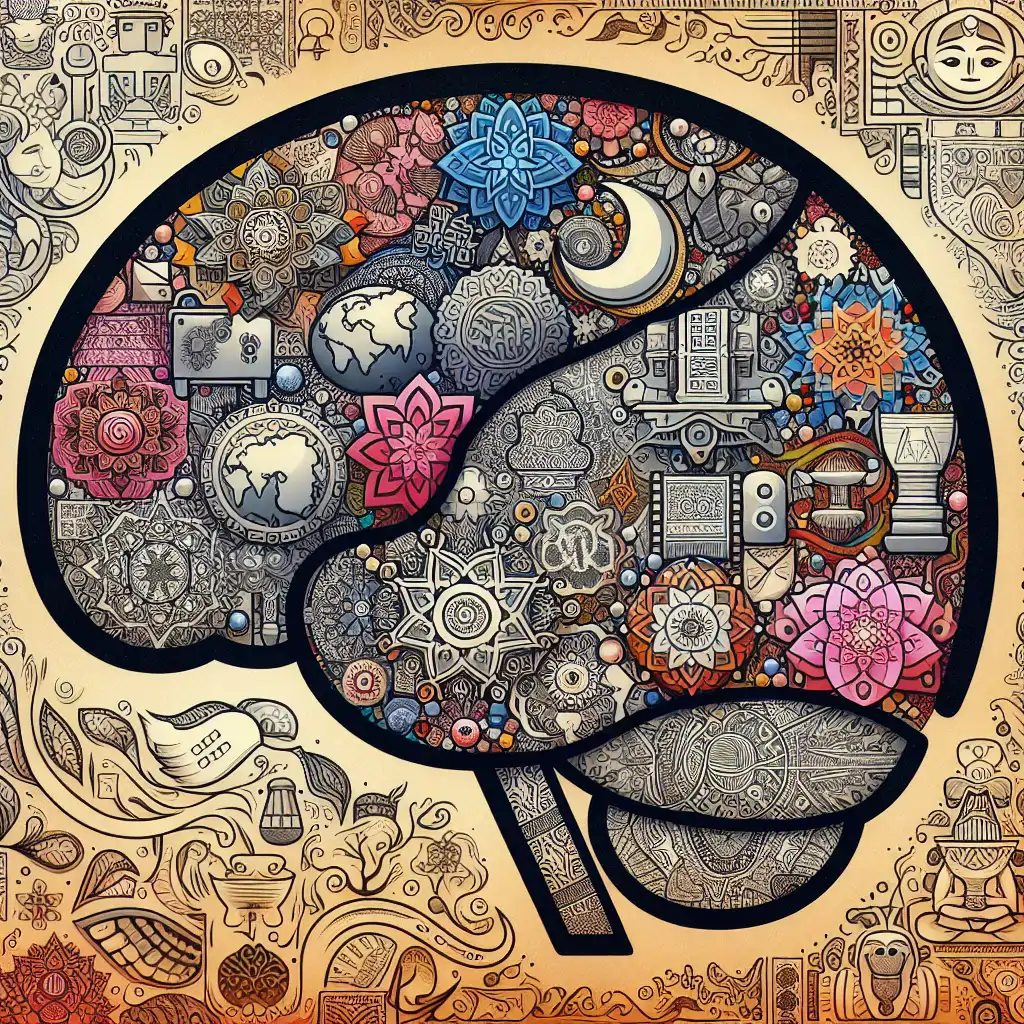
Cross-cultural psychology paves a fascinating path through the intricate landscapes of human minds shaped by rich cultural influences. It’s an area filled with delightful surprises and serious learnings, providing deeper insights into how we think, feel, and behave within our cultural frameworks. By cultivating cultural competence, psychologists can truly embrace diversity, applying their skills in meaningful, empathetic ways to assist individuals from various backgrounds—helping them flourish in their unique identities.
Whether laughing about cross-cultural faux pas or dissecting case studies revealing the intricacies of diverse populations, this field is a testament to psychology's adaptability and elegance. For students and professionals, it offers a promising avenue where each day presents an opportunity to learn from and contribute to our interconnected world. Within these narratives of misunderstanding and harmony lies the true essence of what it means to be human, intertwined beautifully with the threads of culture.
Ultimately, cross-cultural psychology is more than an academic pursuit; it's a journey of discovery, compassion, and shared humanity. By recognizing the kaleidoscope of cultures within us, we enrich our perspectives and nurture a world where differences are celebrated. So, dive into this captivating realm and let it transform your understanding of psychology, people, and life itself. The world might be vast, but through cross-cultural psychology, you hold the map to navigate its myriad wonders.
Thanks for taking the time to read my article! You may also find this one interesting.
Mindful Myths & Realities: Debunking Popular Psychology MisconceptionsTil next time! Prijanka

Prijanka
Prijanka is a wellness coach and inspired blog writer. Drawing from her expertise in holistic health and her talent for motivating others, she writes insightful articles that empower readers to live healthier, more balanced lives, blending practical advice with a genuine passion for well-being.
A proud member of the B-Team
If you're curious to dive deeper into related topics, then you may find these external links useful.
1. Society for Cross-Cultural Research
An organization dedicated to the advancement of cross-cultural research and theory. This site contains valuable resources and publications relevant to cross-cultural psychology.
https://sccr.org/2. The British Psychological Society
This site provides information about the ethical guidelines and practice standards for psychologists in the UK, including considerations for cross-cultural work.
https://www.bps.org.uk/guideline/code-ethics-and-conduct3. Cultural Psychology on Simply Psychology
An informative resource explaining key concepts in cultural psychology, including emic and etic approaches, which are essential to understanding cross-cultural psychology.
https://www.simplypsychology.org/cross-cultural-research.html4. Psychology Today - Culture and Psychology
Offers articles and insights into how cultural contexts influence psychological processes and therapy, aligning with themes discussed in the article.
https://www.psychologytoday.com/us/blog/between-cultures/202309/nature-and-nurture-how-culture-shapes-us5. American Psychological Association - Cross-Cultural Psychology
The APA resource provides an overview and research articles on cross-cultural psychology, essential for understanding how cultural contexts affect human behavior.
https://www.apa.org/monitor/2018/01/multicultural-guidelines©2023 - 2026 SP Software Solutions Ltd. All rights reserved.