Mind the Gap: Exploring Psychology in the NHS

Welcome, dear reader, to the whirlwind world of psychology as it finds its place within the UK’s beloved National Health Service (NHS). Nestled among the bustling corridors of hospital wards and GP surgeries, psychologists are the unsung heroes offering a steady hand and a listening ear. Ever wondered how on earth psychology weaves its complex and intriguing threads throughout the NHS quilt? Buckle up, as we delve into the enthralling narrative that exposes not only the structure of psychological services but also the intricacies of the specialities available. You’re about to embark on a journey that promises humour, insights, and, perhaps, a newfound appreciation for the role of a psychologist within this colossal system.
But let’s not get ahead of ourselves just yet! Picture the NHS as a grand theatre, the kind where every actor, or in this case, professional, plays a pivotal role in bringing the grand performance to life. Within this cast, psychologists operate in domains ranging from acute mental health crises to innovative research projects. Understanding the pathways one can take to walk these hallowed halls involves a mixture of passion, dedication, and, quite amusingly, a penchant for tea and biscuits during those long consultation breaks. Whether you're a student plotting your future career with the determination of a seasoned explorer or simply a psychology enthusiast curious about what this realm entails, this guide will illuminate the path with both insight and merriment.
As we unravel this narrative, envision an image where psychologists clad in NHS scrubs are armed not with stethoscopes but with empathy, knowledge, and the desire to make a difference. It’s a landscape where scientific discovery meets human empathy head-on. So, prepare yourself for a comprehensive look at how psychology integrates and flourishes within the NHS. Let’s shed light on the behind-the-scenes action of the individuals who ensure that minding the human psyche is as vital as tending to the body.
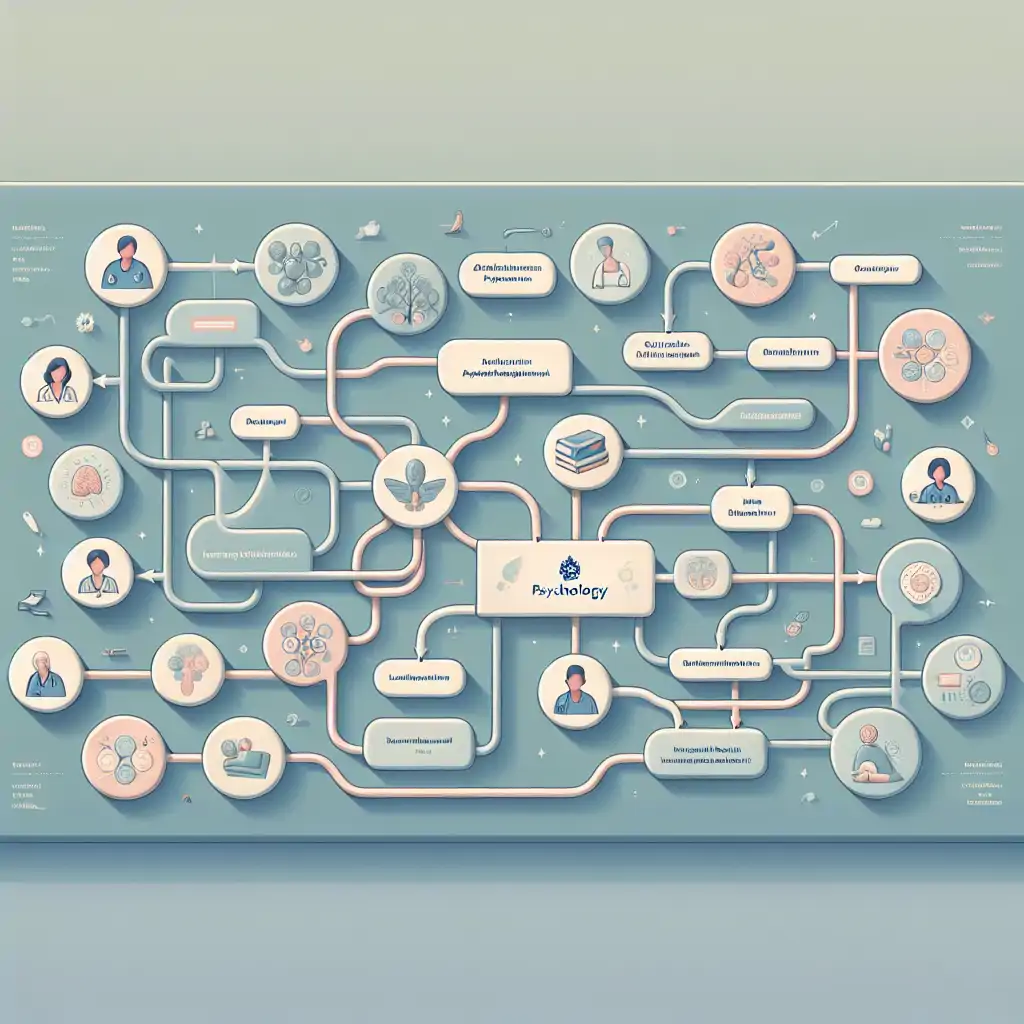
First things first, let’s set the stage: the NHS, a vast and intricate network of healthcare services where everyone, from doctors to nurses, plays a key role. But lurking within this healthcare behemoth are the stalwart psychologists gliding through with the finesse of figure skaters on ice. Their task? Uncomplicating the complex choreography of the mind while deftly side-stepping the chaos that only a tea trolley careering down a hospital corridor can bring. So, how are psychological services structured within this maze, you ask? Primarily, they are divided into various branches, each a thrilling adventure of its own.
At the forefront, we have the Clinical Psychologists—think of them as your Jedi masters working their mental magic. These professionals can be found in sectors as diverse as child and adolescent mental health services (CAMHS), adult mental health care, and even supportive oncology departments. Armed with their trust lightsabers (also known as ethical principles and empirical methods), they perform assessments and interventions, aiming to alleviate psychological distress and improve mental well-being. Not far behind, working tirelessly and often in tandem, are Health Psychologists who infuse lifestyle choices with psychological insight. More on those mysterious musings in a bit!
Next on our mental voyage, we find the Counselling Psychologists, these empathetic souls dive deep into the ocean of the human experience. They provide essential talking therapies, guiding individuals to find peace amidst life's stormy skies. Much like a trusty umbrella during a curious British downpour, their presence offers solace and insight into human emotions. Coupled with their comradeship are the Forensic Psychologists, skilled navigators of the intricate crossings between psychology and the legal world. Their work often resembles unraveling the mystery of a complex crime-thriller novel, except their weapons of choice are patient interviews and detailed assessments.
Meanwhile, Occupational Psychologists enter stage left, integrating seamlessly into NHS trusts to create healthier workplace environments and encourage motivation amongst staff. Through the workforce width and breadth, their instrument proves to be more of a harmonious symphony than the ghastly drone of bureaucracy. Then there are Neuropsychologists who, with the finesse and precision of brain surgeons, unveil the secrets of cognitive function following brain injury or illness. Their work truly exemplifies the marriage between scientific curiosity and patient care.
The beauty of psychology within the NHS doesn’t merely rest on its wonderful web of specializations. It thrives in the day-to-day operations and the captivating interactions these professionals foster with patients. Imagine walking into an NHS practice where therapists offer Cognitive Behavioural Therapy (CBT) and Dialectical Behavioural Therapy (DBT)—it’s almost like browsing a buffet of mental wellness, tailored to the needs of individuals. Don’t we all love choices? Whether it’s working through anxiety, depression, or personality disorders, these therapies provide a structured and collaborative framework for change.
Diving deeper, psychological services within the NHS often work hand in hand with multi-disciplinary teams—those marvellous, all-encompassing teams that make sure the whole person is looked after, rather than just focusing on physical ailments. These teams include psychiatrists, nurses, social workers, and occupational therapists, bringing together diverse expertise to address complex issues at every level. Ah, the symphony of collaborative healthcare at its finest—a melodious blend that makes you almost want to break into an impromptu opera.
For those students peering into this captivating world, it's natural to ponder, "What path should I embark upon within this kaleidoscope of possibilities?" It is vital to dive into the essential prerequisites that pave the way to a fruitful career within NHS psychology. A good starting point is a psychology undergraduate degree accredited by the British Psychological Society (BPS). This is your ticket, dear traveller, into a landscape of profound learning and exhilarating discovery.
Once these foundational studies are complete, aspirants often march forward onto a more specialized postgraduate path. Depending on your chosen field, further training becomes as important as a kettle in a British household. Many budding psychologists have their sights set on completing a Doctorate in Clinical Psychology, or perhaps gaining a Masters in Forensic Psychology. This additional training is essential and is akin to learning to drive with the utmost comfort of plush seating and excellent radio reception.
An important pit-stop along this enlightening journey is gaining some real-world experience. And where better than within the NHS itself? Working as an assistant psychologist or engaging in valuable voluntary roles provides rich practical exposure. This engaging phase is like layering colourful icing on your meticulously prepared career cake. Practical work is integral; the learning curve gained through NHS exposure often sharpens skills and offers a glimpse into what lies beyond academic theory.
The process of becoming a part of this dynamic and necessary world of NHS psychology can be daunting, and rightly so. With each challenge comes the prospect of growth and creativity, building resilience like marathon runners at the starting line. As psychologists become masters at navigating mental mazes, their abilities enhance patient care models, reinforcing the NHS commitment to holistic health.
Nonetheless, as our story unfolds, it’s crucial to recognise the challenging aspects psychologists are braving head-on within the NHS. Picture the typical working day of a psychologist—a medley of consultation sessions, team meetings, and copious paperwork, which may or may not end up being target practice for a budding juggler’s routine. These endeavours ensure that psychologists not only support their patients but continuously refine their professional mastery.
Pressures such as time constraints and budget allocations occasionally curtail the delivery of psychological services, much like a villain snatching joy from the hero at a critical moment. However, like every epic tale, innovation and ingenuity counter these obstacles. The introduction of digital services, online therapy, and telehealth have revolutionized the traditional meetup dynamics, bringing rapport and support directly to the comfort of heteroclite couches, perhaps adorned with fluffy cushions.
The evolution of psychological services in the NHS is steadfast. With scientific and technological advancements, there is a concerted effort to make changes that reflect the modern and diverse landscape of society’s needs. Take, for instance, the current emphasis on cultural competence within therapy; it's akin to adding multicultural flavors to the pot—a tasty dish that embraces all facets of identity and experience.
While we carefully tread this path together, let’s not overlook the innovations championing the future direction of NHS psychology. Digital tools administered in therapeutic contexts allow psychologists to make data-driven decisions while supporting personalized care. Apps providing mindfulness training, cognitive-behavioural interventions, and virtual reality exposure therapies are now part of the psychologist's flourishing toolkit.
But where would NHS services be without the constantly expanding realm of research—oh that grand adventure! Research within the NHS covers fascinating studies on mental health interventions and psychological well-being. By embracing evidence-based practices, NHS psychologists continue to provide therapy informed by the latest scientific findings. (Think of it as the GPS damping the excitement of a wanderlust-filled journey!)
The delightful presence of psychology within the NHS extends its reach through community mental health initiatives. Community psychologists work diligently with communities to identify and tackle mental health challenges, effectively acting as the architects of mental landscapes. This approach encourages communal empowerment and reinforces the notion that psychological care is ever in our backyard.
Inclusion and accessibility, once challenging puzzles, remain at the heart of the NHS's commitment to support everyone's mental health. The missions toward reducing the stigma around mental health issues resemble the removal of woolly hats from the long-extinct British summer wardrobe—unexpected yet thoroughly welcome. Progress in these endeavors ensures the NHS remains equitable and a cornerstone of public trust.
And finally, as we inch closer to the conclusion of our tale, consider the pathways open to psychology enthusiasts keen on exploring the NHS landscape. The roles are manifold: mental health advocates, seasoned researchers, innovative therapists, or even healthcare strategists. The choice is ripe with promise, beckoning with the charming allure of crème brûlée after a hearty meal.
Remember dear reader, that each psychologist, regardless of specialty, holds a mission close to heart—a mission to illuminate, to guide, and to heal. It’s a path filled with laughter, learning, and inevitable moments worthy of shoes-in-the-mud setbacks, all leading towards a satisfying journey within the NHS. Whether we view it as a magical dance or a spirited soiree, psychology and the NHS continue to waltz toward a future that remains distinctly vibrant.
Ah, speaking of flavors and textures, who's checking that the teapot is still warm and biscuits are aplenty? It wouldn't do to end our tour through NHS psychology without celebrating those delightful down-time moments, the linchpin of any bustling healthcare environment. Let's raise a toast to the specialists, their dedication, and the endless journey of merging compassion with science.
In conclusion, the NHS’s capacity to encompass a wide range of psychological services shines vibrantly, even amid evolving landscapes and aspirations. Trust the journey, whether you yearn for front-line dynamism, research brilliance, or simply wish to be nurtured by insightful knowledge. Within these hallowed halls, psychology anticipates your arrival, eager for the next chapter to unfold.

As our comedic yet insightful exploration draws to a close, let’s pause to appreciate the vibrancy that psychological services bring to the NHS. With unwavering commitment, these professionals navigate a world filled with eclectic challenges, fostering a future paved with empathy and innovation. For those dreaming of entering this esteemed realm, the possibilities are far-reaching, from hands-on care to groundbreaking research, each contribution leaves a delicate footprint on the landscape of mental well-being.
At its core, the NHS represents an unwavering promise of service, inclusivity, and progress—principles that resonate deeply within the values of psychological practice. As students and philosophy enthusiasts alike venture further into this rewarding career, the importance of continuous learning and personal growth remains ever-present. Psychology within the NHS is more than a career choice; it's an opportunity to participate in the symphony of transformation, merging the science of the mind with the art of care.
So here’s to the power of psychology and its pivotal role within the NHS framework; the journeys ahead promise excitement and challenge. May this inspiring path light your curiosity and fuel your passion as you navigate the intriguing corridors of the NHS, ever ready to nurture and reimagine the tapestry of mental health care.
Thanks for taking the time to read my article! You may also find this one interesting.
Psychology of the Quirky: Exploring the World of Uncommon DisordersTil next time! Katie

Katie
Katie is a wildlife guru by day and a passionate part-time blog writer. With her deep expertise in nature and a gift for vivid storytelling, she crafts compelling articles that bring the wonders of the wild to life, captivating readers with her knowledge and love for the natural world.
A proud member of the B-Team
If you're curious to dive deeper into related topics, then you may find these external links useful.
1. NHS Careers - Psychology
An official NHS website page that provides comprehensive information on psychology careers within the NHS, highlighting different roles, required qualifications, and application processes, which is directly relevant to readers interested in pursuing a psychology career in the NHS.
https://www.healthcareers.nhs.uk/explore-roles/psychological-professions2. British Psychological Society (BPS)
The official website of the BPS, which details accreditation, career guidance, and educational resources for aspiring psychologists, essential for understanding the pathway into NHS psychology roles.
https://www.bps.org.uk/3. NHS Mental Health Services Overview
A section on the NHS website giving detailed insights into the different mental health services offered, illustrating where psychology fits within the NHS framework and enlightening the reader on available specialist services.
https://www.nhs.uk/nhs-services/mental-health-services/4. Mind - Understanding Therapy and Counselling
Provided by the mental health charity Mind, this resource explains various therapy types like CBT and DBT used in NHS psychological services, which is useful for understanding treatment approaches discussed in the text.
https://www.mind.org.uk/information-support/types-of-mental-health-problems/mental-health-problems-introduction/treatment-options/5. HEE Training and Development for Psychological Professions
A page from Health Education England (HEE) outlining training opportunities and professional development routes for psychologists within the NHS, valuable for students and professionals interested in advancing their NHS careers.
https://www.hee.nhs.uk/our-work/mental-health/psychological-professions©2023 - 2026 SP Software Solutions Ltd. All rights reserved.