Psychology on the Big Screen: What TV Gets Right and Wrong
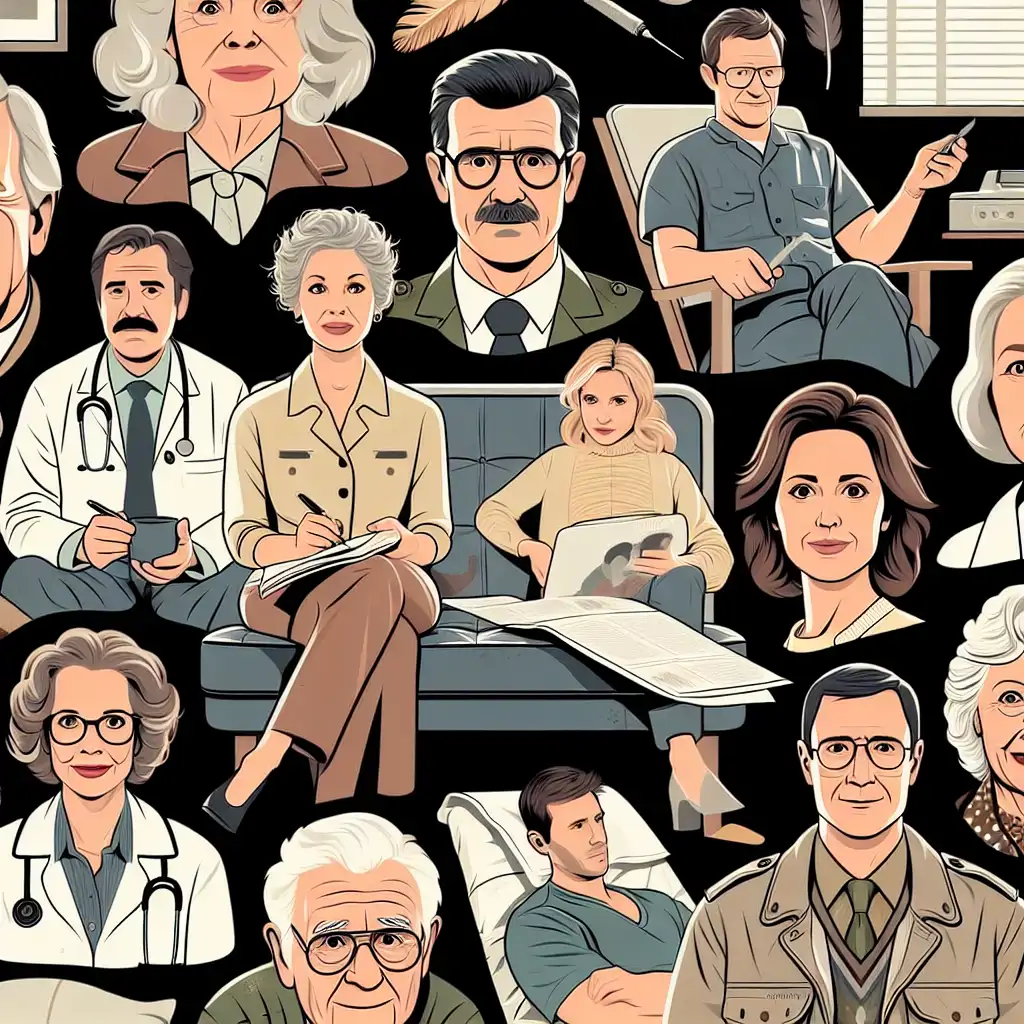
Television has a unique knack for bringing the intriguing world of psychology to life. From intense courtroom dramas to comedic sitcoms, psychologists often play a pivotal role on screen, captivating audiences with their insightful yet sometimes exaggerated portrayals. But how often do these depictions reflect reality? As students and fans of psychology, it’s essential to scrutinize these portrayals to discern the kernels of truth sprinkled amidst the piles of fiction. This blog post ventures into the world of TV psychology, examining how shows manage to balance entertainment with psychological accuracy. Do therapists on TV genuinely help their clients, or do they just serve the plot's convenience? Are forensic psychologists always spot-on with their mind-boggling deductions, or is it mere dramatic implausibility? Throughout this exploration, we’ll inject a bit of humour, because let’s face it, some shows stretch the limits of credibility more than a rubber band in a catapult competition!
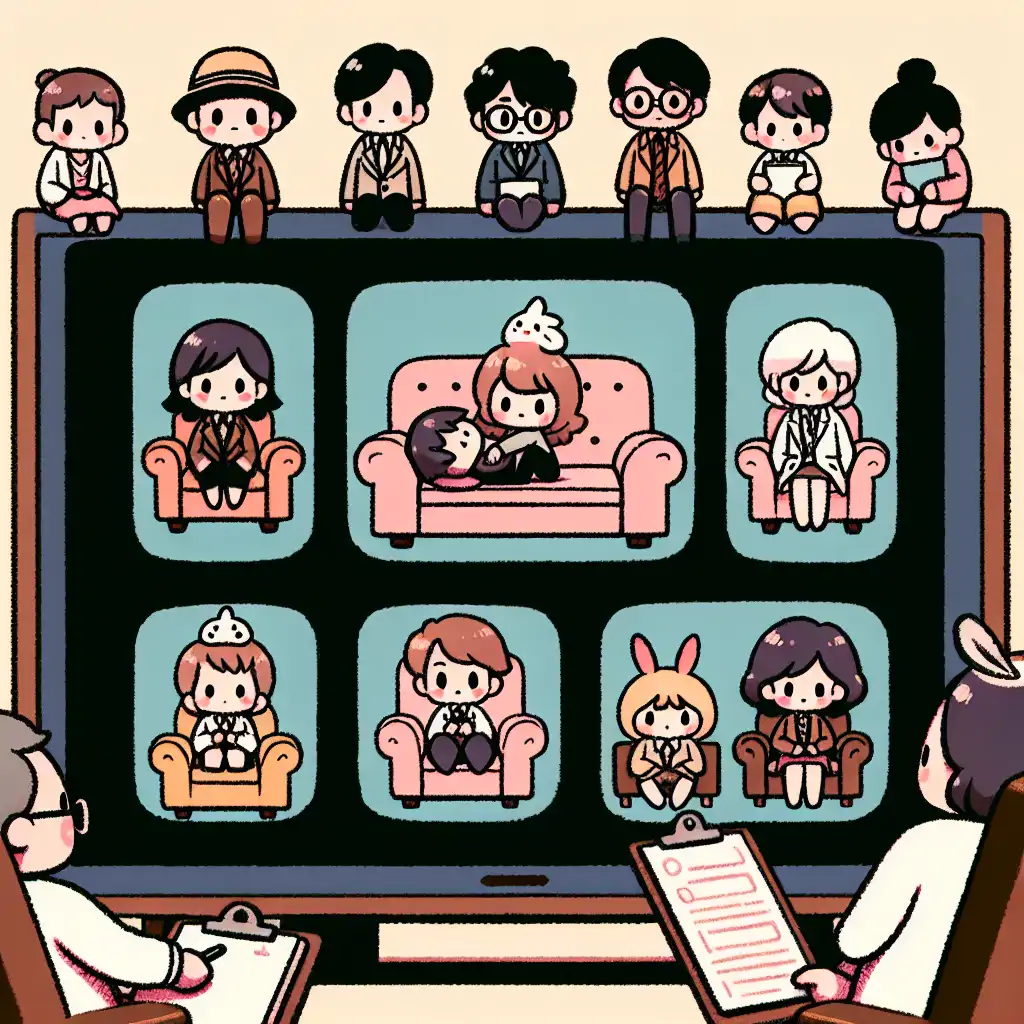
Let’s dive straight into one of TV’s most beloved archetypes: the forensic psychologist. Thanks to popular crime dramas, viewers are often presented with brilliant analysts who can solve complex cases with a mere glance at a suspect's profile. While there’s a grain of truth in profiling, it’s important to remember that in real life, forensic psychology involves a lot of groundwork, mountains of data, and considerable collaboration with law enforcement, rather than lightning-quick deductions. Shows like 'Criminal Minds' and 'Mindhunter' sensationalize the role, though they do highlight the careful analysis and deep understanding of human behaviour essential to the job. However, viewers might be disappointed to learn that real-life cases do not always resolve within an episode's 50-minute timespan.
Therapy sessions on television often swing between extremes. On one hand, they may depict therapy as a miraculous fix-all, with clients having epiphanies by the second session. On the other, they portray therapists as cold or hilariously inept. Consider 'The Sopranos,' where Dr. Melfi provides a fascinating look at the therapeutic process, albeit with dramatic intensity involving her infamous mobster client, Tony. While the dynamics are intriguing, they hardly represent the typical therapy session. Real therapy is more about establishing a long-term, trusting relationship and involves gradual progress rather than breakthrough moments each week.
Then we have the quirky therapist trope. Shows like 'Anger Management' present therapists with eccentric personalities, adding comedic flair but skewing professional boundaries. This might boost ratings, but such portrayals stray far from the ethical standards maintained by real professionals. The code of ethics in psychology is rigorous and prioritizes patient well-being far above personal quirks or entertainment value. Comical exaggeration can detract from the seriousness and responsibility integral to being a practicing psychologist.
Legal dramas bring another facet, showcasing psychologists testifying in court. While this aspect truly forms part of a forensic psychologist’s role, the dramatic flair—such as courtroom theatrics—tends to overshadow the meticulous and often tedious process of preparing psychological reports and assessments. Realistically, psychologists provide detailed insights that aid legal decisions, but they don’t usually sway judges or juries with dramatic speeches like a seasoned actor might deliver.
While watching characters solve longstanding issues in a few sessions makes for satisfying TV, it's important for psychology students to appreciate the nuances and complexities that come with real-life psychological work. TV offers only a snippet of reality, often glued together with dramatization to keep audiences hooked. The portrayal in shows like 'Elementary,' where Sherlock solves crimes amid his own therapy sessions, may blend reality with fiction, entertainingly so.
Psychiatry in series such as 'House' present another unique blend. Dr. House, undeniably brilliant yet socially disconnected, embodies the genius-detective-with-a-psychological-twist trope. His character, revered for breaking complex cases, often skirts and sometimes outright flouts ethical guidelines. While medical accuracy might run consistently high, the portrayal of psychiatric practice is often simplified, leaving out the extensive consultations and patient management involved.
TV’s depiction of group therapy can be hit or miss. Shows like 'Six Feet Under' touch on the transformative power of group therapy but tend to dramatize characters' recovery arcs. Group therapy, while life-changing, demands focus, patience, and time. Its portrayal often omits the facilitation and structured environments that psychologists diligently create to ensure healing and positive outcomes.
Psychologists in fictional settings often interact with a broader network of professionals, reflecting real-world interdisciplinary collaboration. However, collaboration on TV tends to evolve quickly and sometimes unrealistically—right from networking with detectives to instantly changing therapeutic approaches. In practice, these transitions involve extensive discussions and consent processes, something that’s rarely shown on screen owing to time constraints.
Television also seems fascinated by the darker aspects of psychiatry. Psychological thrillers, like 'Hannibal,' while gripping, often romanticize the sinister, combining psychological insight with villainous plots. Though these narratives fascinate, they can perpetuate stigmas, painting mental health professionals either as saviours or secretly deranged masterminds. Reality is markedly mundane in comparison, involving structured sessions and evidence-based approaches.
Mental health portrayals are gradually improving, as newer shows capture genuine emotions associated with therapy and mental health challenges. 'BoJack Horseman' has been praised for its raw portrayal of depression and addiction, reflecting the slow, painful journey many face without providing trite resolutions within a conveniently short timeframe. This evolution is crucial as audiences increasingly seek authentic representations of mental health.
What's notably tricky with psychological portrayals is balancing between narratively engaging content and factual representation. TV shows thrive on captivating plotlines, suspense, and character arcs, which inevitably bends reality. The trick is in identifying when creative liberties take precedence to drive the story forward versus when it inadvertently misleads viewers about understanding psychology.
Analyzing representations on TV can be useful for psychology students, offering a backdrop to test their understanding. By weighing portrayed scenarios against factual knowledge, students can sharpen their analytical skills, questioning and researching how closely Hollywood sticks to reality. It might even provide insights into future professional roles—though they should keep expectations tethered to reality.
If TV portrayals of psychologists sometimes serve to distorted ends, think about what they get right, however small. Many shows incorporate real psychological theories, case studies, and techniques, presenting these concepts to viewers who might otherwise never encounter them. Even incorrect portrayals can spark curiosity, prompting viewers to learn more.
Shows that consult with real psychologists for their scripts tend to market themselves as having a stronger basis in reality. By doing so, they lend credibility and depth to their narrative, something that discerning viewers appreciate. However, the challenge remains in accurately translating consultation into storytelling while maintaining viewer engagement.
An intriguing aspect of TV psychology is its potential to subtly influence public attitudes toward mental health issues. By seeing familiar characters go through similar struggles, audiences might feel less isolated in their experiences, prompting them to seek help or better understand themselves and others. Here lies television's intriguing balance of educational potential and creative expression.
Nevertheless, some common tropes can bolster misinformation. Examples include the all-knowing psychologist archetype or the portrayal of hypnosis as a foolproof revelation tool. Reality is far less dramatic. Psychology is as much about listening and exploring as it is about diagnosing and resolving—nuances typically overshadowed by fast-paced, engaging dramatizations.
Take for instance psychologists in gritty detective series who defuse bombs of simmering tension with their sudden, incredible revelations. These scenarios, while thrilling, stretch credibility and often bypass the depth and patience required in real psychological analysis. Here, the kernels of truth are lightly toasted in creative invention, and it's important not to conflate the two.
Viewers may resonate with characters facing psychological struggles, adding relatability and depth to storytelling. Notable examples are characters dealing with trauma, grief, or existential crises, whose efforts to cope are sympathetically documented. This representation, while not flawless, can foster empathy and understanding, bridging gaps between real-world struggles and fictional dramatizations.
Ultimately, the most consistent lesson from screen to reality remains one of expectation management. Students venturing into psychological professions may be drawn by the intriguing depictions they see but should be prepared for thorough, diligent work often unseen in TV scripts. The reality grounded in ethical practice, continuous learning, and substantial client engagement ensures fulfilling yet challenging careers.
It’s worth noting that responsible media consumption involves critical thinking, balancing entertainment with the pursuit of knowledge. Recognizing the distinction allows viewers to appreciate creative storytelling while seeking factual understanding when it comes to psychological topics that interest them.
Shows pushing the bounds of psychological realism tend to have immeasurable entertainment appeal. But it’s crucial for budding psychologists to reflect on their realistic interpretations, fostering informed choices about their careers without solely depending on dramatized realities. In the interim, viewers can enjoy the ride, captivating as it may be.
For aspiring psychologists, drawing the line on what's workable on TV and what signifies sheer creativity can be a catalyst for their own explorative journeys. TV may not always deliver an accurate diagnosis, but understanding entertainment's role in shaping perceptions of psychology brings one closer to appreciating its intricacies.
Some programs have positively sparked broader discussions about mental health and wellness. By portraying the psychological nuances of characters, recognizable yet flawed, they invite dialogue, reflection, and a growing understanding of the complexities involved in mental health. Herein lies the medium's power, channeling conversations to the forefront of popular culture.
Amusing inaccuracies do have their place on screen. The notorious depiction of the Rorschach test, often misrepresented as a grand unveiling of hidden intentions, is a beloved trope that just doesn't align with the reality of this complex and rarely used psychological test. Here, entertainment relishes in presenting psychology as an enigmatic and mystifying tool.
An ongoing challenge exists in separating televised fiction from real-world science. As audiences become savvier and more psychologically literate, they demand nuanced, relatable content. This stipulates filmmakers and showrunners to embrace a more responsible stance, carefully threading the needle between faux-reality and storytelling magic.
Psychological portrayals in TV dramas function as potent tools for storytelling, delving into intricate human relationships and varied experiences. These elements cultivate rich narratives found universally compelling. Yet, discerning viewers should recognize distinctions, treating the episodes more like melodious renditions rather than authoritative psychological textbooks.
Ultimately, as programmer lines between ground-truth and speculation converge, honest conversations play central roles. By encouraging a regular discourse on how narratives can both distort and enhance realities, the value lies in unexpected places—by fostering exploration within the realm of TV's exciting yet divergent expeditions into psychology.
Insightful representations offer a glimpse into therapeutic relationships, everyday challenges, and the pursuit of identity. Though dramatized, these stories at least manifest honest attempts toward portraying mental health compassion and insightfully steering conversations toward greater well-being acknowledgment. This facade of reality sparks interest, nudging psychology students toward constant learning.
Practical evaluations propel entertainment into educational realms. TV psychology invites scrutiny—empowering prospective psychologists to juxtapose inherent assumptions against well-researched information, prompting an enriching investigative journey worth embarking upon. Despite embellishments, the transformative dialogue inspired can springboard insights and keep curiosity thriving.
In the end, it's worthwhile to view televised psychology as a source of motivation rather than an authoritative guide. As cultures advance in scholars' abilities in demystifying these fields, television's portrayal ultimately remains a stepping stone for expansive horizons into psychology. You'll find the theatrical journey's pursuit has always been about the search for knowledge.

As we turn off our screens and step back into the real world, it becomes clear that TV's portrayal of psychology can be both a boon and a bamboozle. It provides an engaging narrative that sparks curiosity and discussion, serving as an interesting entry point for many into the world of mental health and human behavior. Yet, for those of us invested in genuine psychological studies, it is essential to apply a critical eye, recognizing the embellishments that TV often indulges in. By doing so, we can allow these dramatized portrayals to hold a place of influence while grounding our understanding in reality.
Television continues to evolve, gradually aligning portrayals closer to real psychological practices. This transition invites us to stay informed, questioning the narratives we’re exposed to and encouraging authentic discussions about mental health. While scriptwriters prioritize gripping plots, our task is to discern the insights, to separate the wheat from the chaff, and seek truth amid entertainment.
Whether studying psychology seriously or delving in as an intrigued viewer, remember: on-screen psychology is a catalyst for reflection rather than doctrine. Smile at the exaggerations, ponder the accuracies, and keep exploring with an open mind. With this sense of balance, we can both enjoy and learn from our favorite shows, shaping a keen understanding of psychology beyond fictional dramatics.
Thanks for taking the time to read my article! You may also find this one interesting.
The Laughter Lab: Discovering Humor in Clinical PsychologyTil next time! Katie

Katie
Katie is a wildlife guru by day and a passionate part-time blog writer. With her deep expertise in nature and a gift for vivid storytelling, she crafts compelling articles that bring the wonders of the wild to life, captivating readers with her knowledge and love for the natural world.
A proud member of the B-Team
If you're curious to dive deeper into related topics, then you may find these external links useful.
1. Psychology and TV: Reality vs. Fiction
An article that explores the portrayal of psychology on television, comparing fictional representations to real-life psychological practices. Relevant for understanding how TV dramatizes psychological roles.
https://compass.onlinelibrary.wiley.com/doi/10.1111/spc3.122742. The Representation of Mental Health in Media
This resource discusses how mental health is portrayed in various media, including television, and its impact on public perception. It is pertinent to evaluating the influence of TV portrayals on audience understanding of mental health.
https://www.verywellmind.com/mental-health-stigmas-in-mass-media-41538883. Forensic Psychology in Popular Culture
A detailed examination of how forensic psychology is represented in TV shows and movies, contrasting it with actual forensic psychology work. This is significant for analyzing common tropes seen in crime dramas.
https://www.online-psychology-degrees.org/list-articles/five-famous-cases-cracked-by-forensic-psychologists/4. Ethical Considerations in Psychological Practice
An overview of the ethical standards that guide psychologists, offering context for evaluating how TV therapists often break these rules for dramatic effect.
https://psycnet.apa.org/fulltext/2019-75736-001.html5. The Impact of TV Therapy on Real-Life Perceptions
Explores how on-screen depictions of therapy influence people's expectations and attitudes toward real-world therapeutic practices.
https://www.popsugar.com/entertainment/tv-therapy-evolution-interview-49163801©2023 - 2026 SP Software Solutions Ltd. All rights reserved.