The Mental Maze: Navigating UK Psychiatry Pathways
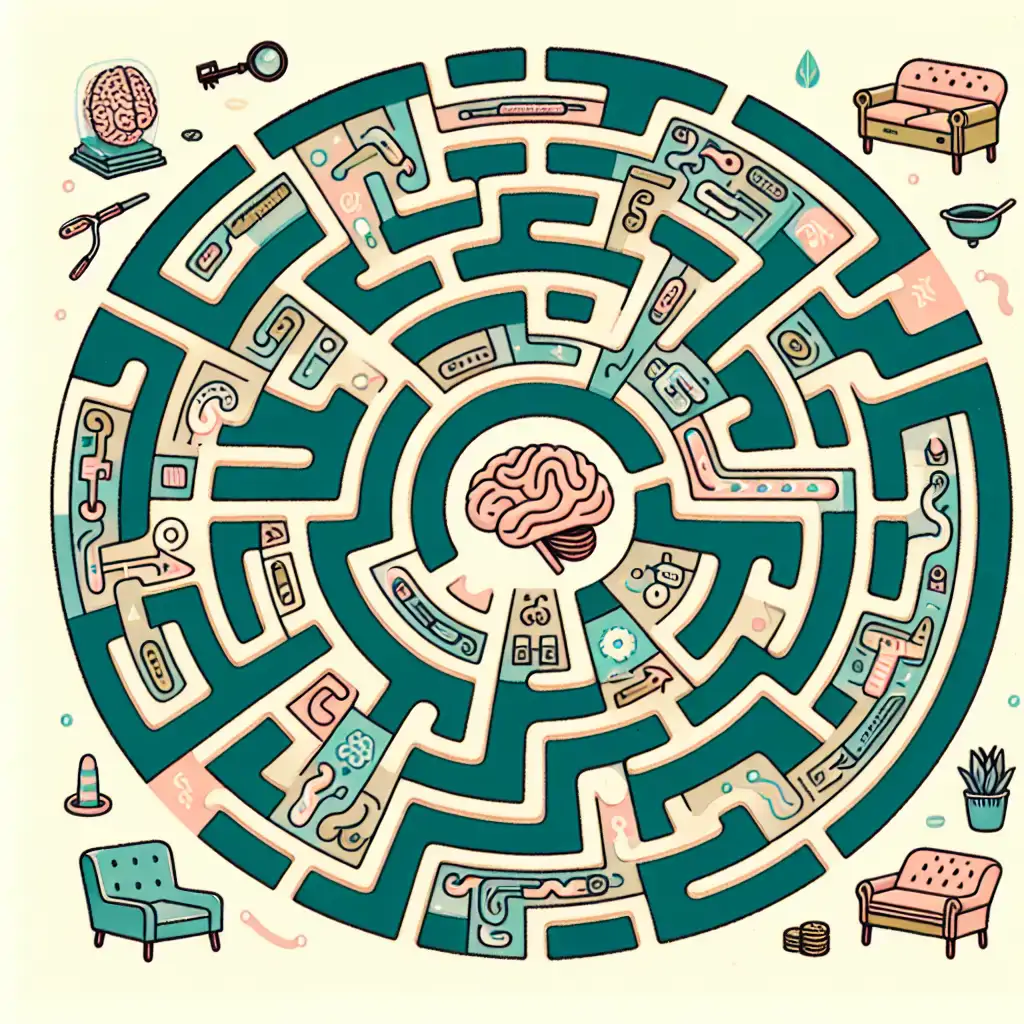
Welcome, dear reader, to the captivating world of psychiatry in the United Kingdom—a realm where the complexities of the human mind mingle with the precision of medical science. Picture yourself as an explorer setting foot on this verdant landscape, teeming with mysteries yet to be unraveled. Psychiatry isn't just about therapy couches and dream analyses; it's where the art of understanding meets the rigour of medicine. Whether you're a budding psychologist, an inquisitive student, or simply someone intrigued by how the mind works, this guide promises to be your trusty compass.
But why, you ask, focus on psychiatry? Isn't mental health care swarming with a motley crew of professionals—psychologists, therapists, counsellors? Indeed, it is, but psychiatrists hold a unique position. They are the brain whisperers, equipped not only with the knowledge of mental processes but also with the authority to prescribe medication. They can dissect the mind’s enigmas like Sherlock Holmes on a caffeine high. This guide not only sheds light on what sets psychiatrists apart but also illuminates the diverse paths one can pursue within UK psychiatry. So, strap in, keep your curiosity piqued, and enjoy our mental expedition with a sprinkle of wit along the way.
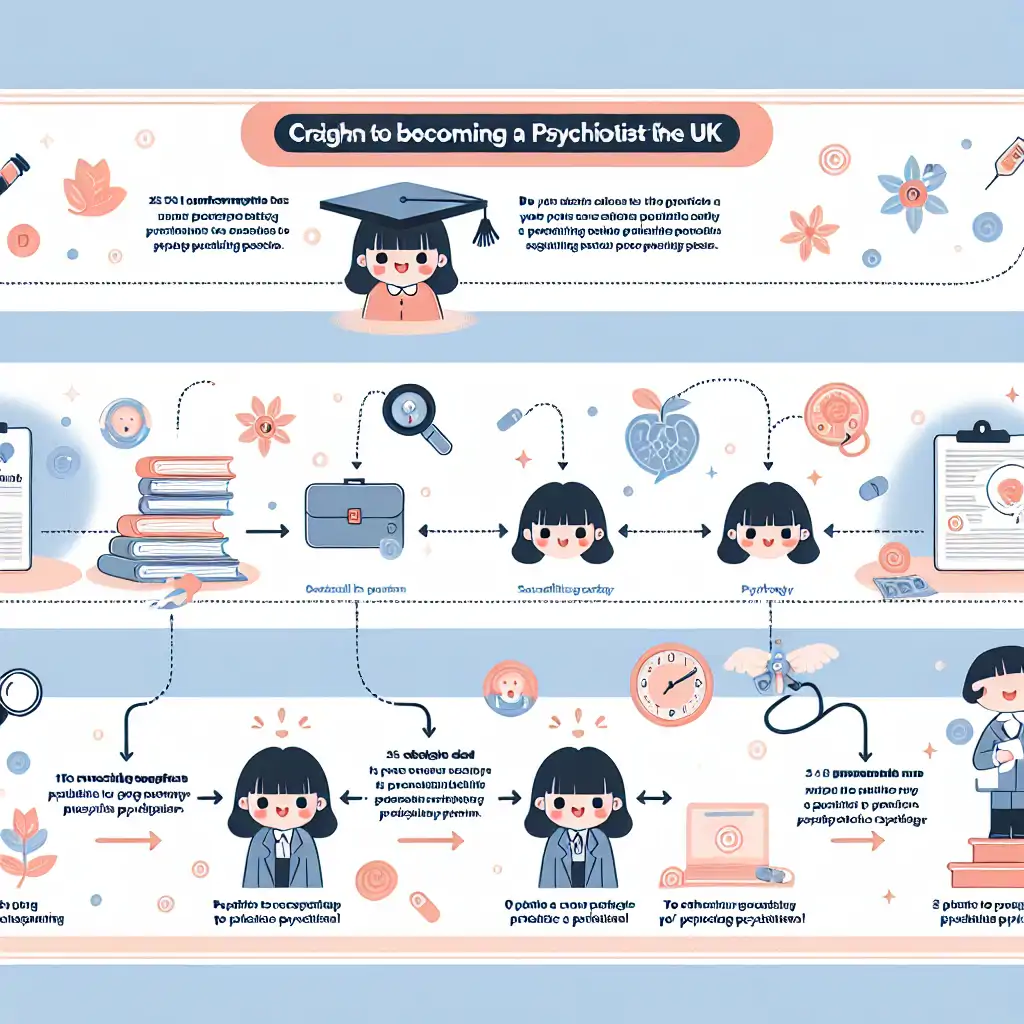
At first glance, the pathway to becoming a psychiatrist in the UK might seem as intricate as the plot of a psychological thriller. Aspiring psychiatrists embark on a journey that blends general medicine with mental health expertise. The expedition begins at medical school, where one develops a foundation in general medical education. This typically lasts five to six years, where students get their first taste of diagnosing illness, understanding human anatomy, and dealing with real life and real patients. It’s akin to learning the first few chords of a song before diving into a dazzling solo.
Following medical school, graduates undertake the Foundation Programme, which we can liken to a two-year tour of duty that provides exposure to a wide array of medical disciplines. Here, practical experience starts to flourish. This is the stage where one might find themselves hobnobbing with surgeons, general practitioners, and yes, psychiatrists—even if it’s just over tea in the hospital cafeteria. This exposure is critical to shaping interests and determining whether psychiatry calls to your soul or if it’s another specialty that strikes your fancy.
Once the Foundation Programme is completed, the path bifurcates, leading future psychiatrists into the realm of specialty training. This is known as Core Psychiatry Training, a program lasting three years. Here, psychiatry enthusiasts delve into subjects like the human brain's structural mysteries, psychological therapies, and the art of patient communication. They’re essentially learning to become the Jedi of the medical world, combating the dark forces of mental illness. It’s during these years that budding psychiatrists truly start to polish their skills, attending various rotations and choosing specialties that align with their interests.
Psychiatry, much like an all-you-can-eat buffet, offers a dazzling array of subspecialties. There’s something for everyone, whether your passion lies in supporting the youngest minds or understanding the complexities of addiction. Take, for instance, child and adolescent psychiatry. Here, your role is akin to being a detective for developing minds, ferreting out the issues early to provide interventions that can alter a young person’s trajectory entirely. This specialty requires a gentle touch, creativity, and an understanding as intricate as a spider’s web.
Moving to another aisle in the psychiatric buffet, we find forensic psychiatry—where law intersects with the human psyche. This specialty is fit for those who harbor a fascination with crime novels, offering a unique role in assessing and managing patients within the legal system. Here, the psychiatrist’s office might as well double as a courtroom, working with individuals whose mental health conditions have placed them squarely in the judicial spotlight. It’s challenging, it’s rewarding, and yes, it’s just as dramatic as it sounds.
For those with an inclination towards the somber yet vital realm of addiction psychiatry, the focus shifts to understanding and treating substance misuse and its profound impact on individuals and families. It’s a marathon of empathy, deciphering the intricate dance between chemical imbalances and behavioral health. Addiction psychiatrists step into roles that might feel like lifelines extended in stormy seas, providing support, treatment, and sometimes a tough love approach to help individuals reclaim their lives.
And let’s not forget the specialty of general adult psychiatry. These professionals are the backbone of psychiatric medicine, dealing with the broad umbrella of conditions affecting adults. They must possess a swiss-army-knife-like versatility to manage anything from mood disorders to schizophrenia. From juggling antidepressants to navigating therapy sessions, general adult psychiatrists are the unsung heroes tirelessly ensuring mental health care remains accessible and comprehensive.
One can’t explore UK psychiatry without addressing the National Health Service (NHS)—a keystone institution in the fabric of British healthcare. Fortunately, the NHS offers structured and diverse training programs for psychiatrists, embedded within both hospitals and community settings. Through the NHS, trainees gain extensive experience, interacting with patients from all walks of life. The rotational nature of training ensures exposure to a myriad of psychiatric illnesses, from the mundane to the file-under-peculiar.
Despite the NHS’s robust framework, aspiring psychiatrists often find themselves navigating a quagmire of choices when it comes to subspecialties. How does one choose from such a marvelously convoluted smorgasbord? Well, the answer lies not just in clinical interests but also in personal aspirations, lifestyle preferences, and perhaps a penchant for specific patient interactions. Each specialty demands a unique set of skills and commitments, making self-awareness an essential trait for any psychiatrist in training.
Putting humor into psychiatry may seem an odious task to the uninitiated, but those in the field will tell you it's essential. For instance, the lighter side of forensic psychiatry often resembles episodes of the classic British comedy sketch 'Yes, Minister,' with its intriguing web of bureaucracy mixed with moments of befuddlement. If humor doesn't serve as a coping mechanism, it surely serves as a reminder to not take oneself too seriously in the thick of work.
Yet, alongside hilarious anecdotes and enlightening eureka moments are real-life stories that underscore the gravity and the gratification intertwined with a career in psychiatry. The psychiatrist who finally connects with a patient resistant to treatment, or the child psychiatrist witnessing a once-struggling student conquer their anxiety. These stories paint psychiatry not just as a profession, but a calling that reaches into the very fabric of societal well-being.
With the rewarding aspects come challenges. The workload can be heavy, and psychiatrists often face stigmas associated with mental health. There are patients who undergo severe distress, and cases that boggle even the most seasoned professional. It’s a specialty that demands resilience, empathy, and sometimes—patience worthy of a saint. Yet within these tests lie transformative moments that define careers, shaping doctors into champions of mental health.
To add some razzle-dazzle to our brainy banquet, let’s discuss some tips for those pondering life in psychiatry. First, cultivate curiosity; psychiatry isn’t a field for the narrow-minded. Understanding humanity in all its forms is a prerequisite. Next, immerse yourself in literature—not just medical textbooks but novels, biographies, and anything that offers a peek into the human experience. This not only broadens perspectives but enhances empathy.
While you’re soaking in knowledge, don’t forget to connect with mentors. Their wisdom is akin to a lighthouse guiding ships through stormy seas. Tap into their experiences and seek guidance—whether it’s about choosing specialties or finding the right work-life balance. Attend conferences and seminars; they’re like treasure chests brimming with insights from leading minds in psychiatry. Never underestimate the power of networking.
Moreover, embark on self-care from day one—your mental health is your top asset. Exploring hobbies, keeping fit, and ensuring a healthy work-life equilibrium are essential to preventing burnout. There’s a mountain of difference between working 'in' psychiatry and letting psychiatry consume you. Maintain boundaries, stay connected with support networks, and cherish your well-being.
Keep a journal. Much like a diary, this isn't just about recording patient cases but reflecting on your journey. Writing about experiences not only crystallizes learning but serves as a keepsake of your growth—both personal and professional. Consider it the modern equivalent of writing a captain’s log, charting uncharted territories in the world of psychiatry.
Still pondering? Give psychiatry some thought! The UK offers a vibrant arena, and with mental health awareness gaining momentum, the field has never been more urgent or significant. Unraveling psychiatric careers is akin to unlocking a treasure chest brimming with opportunities, knowledge, and new perspectives on life.
Wherever your inclinations lie, psychiatry remains an intellectually rich and emotionally rewarding field. It follows the rhythm of change—always evolving, adapting, and extending hope to those caught in the mental maze. Your contribution is not just a footnote in medical annals but an enduring legacy of hope and healing.

Our mental journey through UK psychiatry has been a fascinating one, brimming with complexity, intrigue, and opportunities. It’s a field that thrives on understanding the intricate interplay of mind and body, offering a unique vantage point into human behavior and health. Psychiatry is not just a career choice; for many, it's a calling, a way to make a tangible difference while traversing the nuanced corridors of human cognition and emotion.
While the path to becoming a psychiatrist in the UK is layered with challenges and intensive training, it is filled with revelatory moments and personal fulfillment. Each specialty within psychiatry offers a unique lens to view the world, be it through the eyes of children, individuals confronting addiction, or patients entwined within the legal system. For those aspiring to influence the sphere of mental health, psychiatry is a powerful conduit of change and enlightenment.
In the end, whether you're considering a pathway in psychiatry or simply piqued by its intricacies, it’s clear that this field is rich and rewarding, offering intellectual challenges and deep human connections. So, embark on this path armed with curiosity, empathy, and determination, and contribute your chapter to humanity’s ongoing narrative of mental wellness. The mental maze might be intricate, but its rewards are boundless.
Thanks for taking the time to read my article! You may also find this one interesting.
Psychology on the Road: Exploring Occupational Psychology in the UKTil next time! Prijanka

Prijanka
Prijanka is a wellness coach and inspired blog writer. Drawing from her expertise in holistic health and her talent for motivating others, she writes insightful articles that empower readers to live healthier, more balanced lives, blending practical advice with a genuine passion for well-being.
A proud member of the B-Team
If you're curious to dive deeper into related topics, then you may find these external links useful.
1. Royal College of Psychiatrists
Official website of the Royal College of Psychiatrists, providing comprehensive information on psychiatry careers, training paths, and specialties in the UK.
https://www.rcpsych.ac.uk/2. Medic Portal - Psychiatry Training Pathways
Detailed guide on the pathways to becoming a psychiatrist in the UK, including steps from medical school to specialty training.
https://www.themedicportal.com/application-guide/choosing-a-medical-school/3. National Health Service (NHS) Careers - Psychiatry
NHS Careers page dedicated to psychiatry, offering insights into the roles, training, and opportunities available within the NHS framework.
https://www.healthcareers.nhs.uk/explore-roles/doctors/roles-doctors/psychiatry4. British Journal of Psychiatry
Access to the British Journal of Psychiatry, featuring research articles, reviews, and updates on the latest developments in the field.
https://www.cambridge.org/core/journals/the-british-journal-of-psychiatry5. Psychiatric Times - UK Psychiatry
Psychiatric Times provides articles and news related to psychiatry in the UK, including advances in treatment, research, and policies.
https://www.psychiatrictimes.com/view/nutritional-treatments-the-next-frontier-in-psychiatry©2023 - 2026 SP Software Solutions Ltd. All rights reserved.