Therapy Through Time: A Historical Journey from Hysteria to Happiness
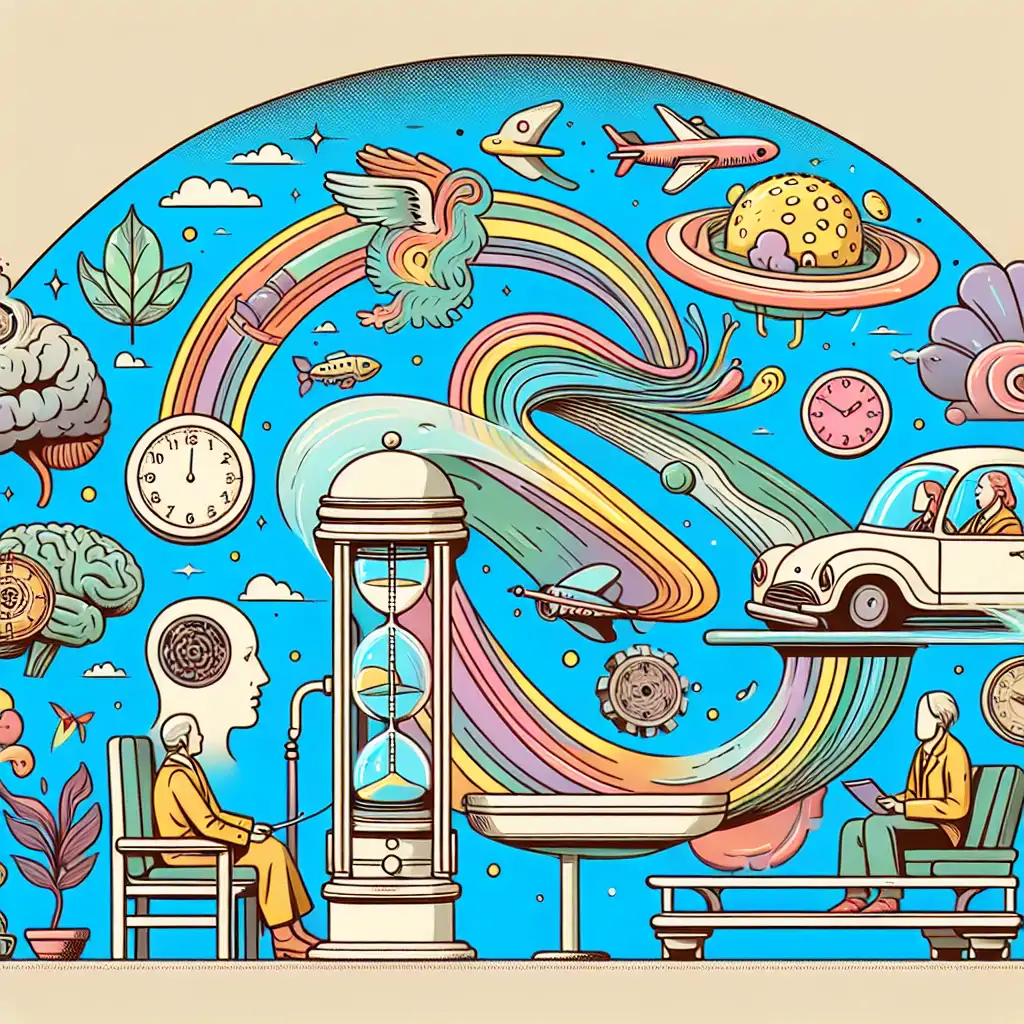
Welcome to a journey through time where we're not just focusing on the ticking of the clock but the evolution of psychotherapy! Imagine stepping into a time machine and traveling back to a period where the term ‘hysteria’ was bandied about like a common cold and 'cures' included treatments as peculiar as they were ineffective. This whimsical exploration through the corridors of therapeutic history allows us to peer into the varied practices that have shaped mental health treatment in the UK. Our journey will whisk you from the frosty parlors of the Victorian era to the welcoming, modern therapeutic spaces we see today. As we delve into this chronicle, you'll encounter both bizarre and brilliant minds that laid the groundwork for current methodologies. Together, we will uncover how these historical practices have paved numerous paths for aspiring psychologists, potentially igniting your curiosity and passion for mental health. Whether you’re an earnest student of psychology or simply a curious soul, this intriguing exploration promises to be both enlightening and entertaining!
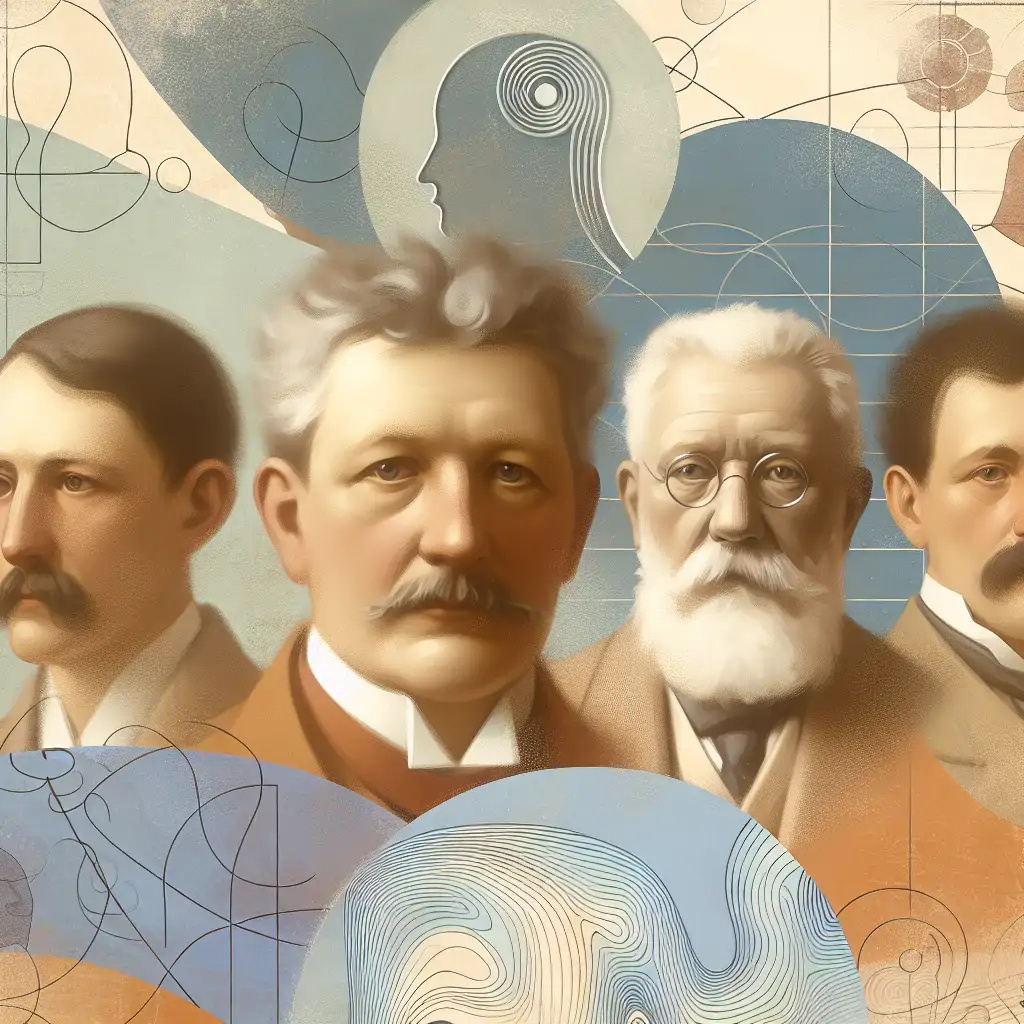
Our journey begins in the opulent drawing rooms of the Victorian era, where hysteria was often diagnosed among women. Imagine hearing terms like 'wandering womb' as genuine medical explanations. Treatments ranged from the relatively mild, like bed rest, to the downright peculiar, such as manual pelvic massages. It was during this time that Freud, the granddaddy of psychoanalysis, began to lay the groundwork for therapeutic practices. His theories, though controversial, challenged existing norms and paved the way for subsequent psychological exploration.
As we leap forward to the early 20th century, the scene shifts to a more empirical and less eccentric approach. The influence of figures like Carl Jung, who introduced the realm of analytical psychology, cannot be understated. The era also saw the rise of behavioural therapies, with names like B.F. Skinner leading experiments that would form the basis of behaviourism. These advancements showcased a shift towards understanding the mind through observation and evidence, a far cry from previous mystical explanations.
Enter the mid-20th century, where the spotlight shifts to humanistic psychology. Visionaries like Carl Rogers introduced client-centred therapy, emphasizing empathy, personal growth, and the therapeutic alliance. Rogers' ideas were revolutionary, making therapy a two-way communication road. This period was rich in the blossoming of different schools of thought, creating a more diverse landscape for psychotherapists.
The 1970s and 1980s further expanded the panorama with the birth of cognitive-behavioral therapy (CBT), with Aaron Beck leading the charge. This approach emphasized the role of thinking in how we feel and what we do. CBT represented a more structured and present-focused methodology. It was during these decades that therapy began being seen as a viable career path, inviting individuals from various professions to become practitioners.
As we entered the digital revolution, therapy began to embrace technological advancements. The accessibility and convenience of digital resources opened new avenues for therapy and mental health education. Digital platforms transformed how therapy was accessed, allowing individuals to connect with psychological support from their own living rooms. Aspiring psychologists today are equipped with tools that their predecessors could hardly dream of, opening doors to specialties like teletherapy, which is rapidly shaping the future landscape of mental health care.
What, then, does this historical progression tell us about today’s therapists and the paths available to aspiring psychologists? Fundamentally, modern therapy in the UK is all about understanding, empathy, and evidence-based practices. Students aspiring to enter the field are provided with a plethora of pathways, from traditional psychology degrees to specialized courses and certifications in emerging therapeutic approaches such as mindfulness and eco-psychology.
Today, we celebrate the eclectic amalgamation of historical and contemporary practices that empower mental health professionals. Understanding this evolution enriches aspiring psychologists, providing a foundation filled with lessons learned from both brilliant minds and eccentric historical practices. Beyond this foundational understanding, it also illustrates the adaptability of psychological sciences to societal evolution, enabling students and professionals to push boundaries and explore innovative areas of study.
The historical context of psychotherapy is as rich and diverse as the field itself, offering unique insights into human nature and the ever-changing perceptions of mental health. More than ever, psychology is an appealing field for students interested in making genuine impacts on individual lives and broader societal issues. This intriguing field invites passion and innovation, making it an ever-evolving landscape ripe with opportunities for personal and professional growth.
In examining how far we've come—from Freud's psychoanalysis to today’s holistic approaches—one thing is clear: the journey has been filled with challenges, breakthroughs, and transformations. Current students have the privilege and responsibility to be part of the next chapter of mental health care advancement, embracing creativity and scientific rigor in equal measure. As we laugh at past follies and celebrate present-day achievements, let's remain curious about future discoveries.
Whether it's engaging with theoretical frameworks, applying practical interventions, or exploring niche areas, there has never been a more exciting time to dive into the world of psychology. The UK offers a rich tapestry of opportunities, enabling aspiring therapists to discover their unique paths and make meaningful contributions to the field, armed with an understanding of its historical evolution. Perhaps one day, these budding professionals will look back on today as another pivotal moment in the fascinating history of psychotherapy.

As we come full circle on our journey through the history of psychotherapy, it's clear how pivotal past practices and paradigms were in shaping what we understand today. We've explored the mystic realms of hysteria, the ingenious minds of Freud and his contemporaries, and the innovative strides in cognitive and behavioral therapies. Each era has contributed to the rich tapestry that forms today’s landscape, filled with empathy, understanding, and evidence-based solutions, making it a promising field for aspiring psychologists.
Looking back, it's apparent that what was once ridiculed as quackery has evolved into a respected science with diverse specialties and directions. This evolution encourages budding therapists to champion continuous learning and adaptability, crucial traits for helping navigate the multi-faceted, ever-evolving landscapes of mental health. The historical context not only provides wisdom but serves as a guide for future innovations, propelling the next generation of mental health professionals.
So, whether you fancy yourself as a future therapist or are merely intrigued by the stories of yore, take heart in knowing that the realm of psychology is as expansive as it is welcoming. If nothing else, remember that therapy is no longer about 'wandering wombs’ but about understanding the human condition and guiding individuals towards happiness and self-awareness. Here’s to exploring a field that is as profound as it is playful!
Thanks for taking the time to read my article! You may also find this one interesting.
The Quirky World of Neuropsychology: Brains, Banter, and Big DiscoveriesTil next time! Katie

Katie
Katie is a wildlife guru by day and a passionate part-time blog writer. With her deep expertise in nature and a gift for vivid storytelling, she crafts compelling articles that bring the wonders of the wild to life, captivating readers with her knowledge and love for the natural world.
A proud member of the B-Team
If you're curious to dive deeper into related topics, then you may find these external links useful.
1. History of Psychotherapy
An overview of the evolution of psychotherapy practices, exploring key historical milestones and the development of different therapeutic approaches relevant to the UK's mental health history.
https://www.ncbi.nlm.nih.gov/pmc/articles/PMC5484460/2. Freud and Psychoanalysis
A detailed exploration of Sigmund Freud's contributions to psychoanalysis and how his theories influenced the field of psychotherapy, shaping future practices.
https://www.ncbi.nlm.nih.gov/pmc/articles/PMC10575551/3. Cognitive Behavioral Therapy (CBT)
An introduction to the development and principles of CBT, highlighting how Aaron Beck’s work transformed therapeutic methods in the mid to late 20th century.
https://www.ncbi.nlm.nih.gov/pmc/articles/PMC9667129/4. Digital Revolution in Therapy
An article discussing the impact of digital advancements on psychotherapy, including the rise of teletherapy and online mental health resources.
https://bpspsychub.onlinelibrary.wiley.com/doi/10.1111/papt.122225. Emerging Trends in Psychology
A resource detailing the current and emerging trends in psychology, including new therapeutic approaches and educational pathways available for aspiring psychologists.
https://www.apa.org/monitor/2024/01/trends-report©2023 - 2026 SP Software Solutions Ltd. All rights reserved.