Unlocking Creativity: The Science Behind Artistic Minds
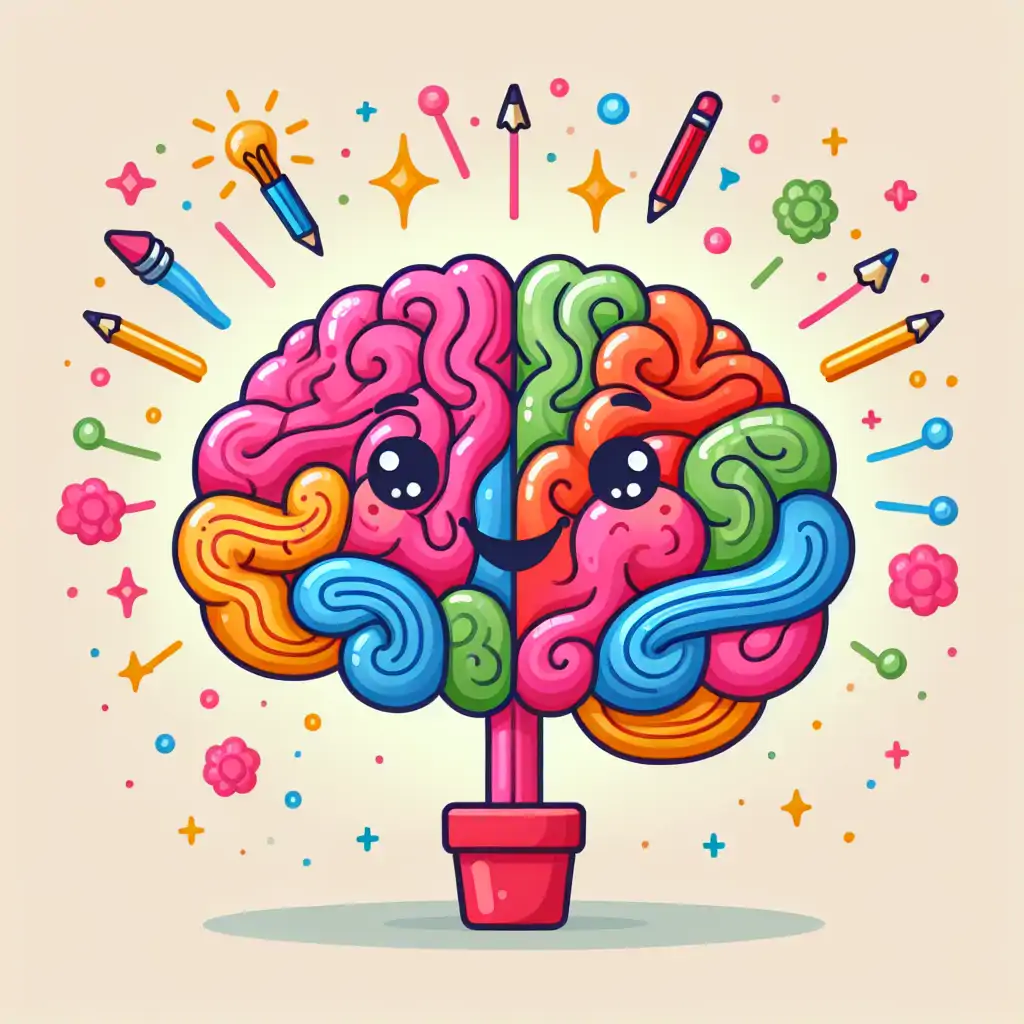
Have you ever wondered what flickers within the mind of an artist just before they create one of those awe-inspiring masterpieces? Despite the whimsical notion of a mystical muse whispering in their ear, the truth is far more captivating—and a lot more scientific. At the intersection of psychology and creativity lies a universe ripe for exploration, where neurons dance to the symphony of artistic inspiration. Here in the UK, the field of psychology is delving into these nuances, shedding light on how our mental processes fuel the imaginative pursuits of artists. From the swirling maelstrom of neural pathways that spark creative thought to the profound influence of mental health on an artist’s work, our exploration today is as colourful as a Van Gogh painting.
Psychologists have long been intrigued by what sets creative minds apart. What hidden elements sculpt a person into an artist? Is it nature, is it nurture, or is it a delightful splurge of both? Today’s blog post aims to unravel these questions, frying them in a bubbling cauldron of facts, statistics, and a dash of humour. We'll journey through the corridors of the creative brain, explore the psychological theories that define artistic expression, and grasp how mental health influences the strokes on that canvas. Furthermore, we'll explore the role of art therapy within the NHS, examining how it serves as a beacon of hope for individuals seeking solace through creativity.
Whether you’re an aspiring psychologist with a penchant for understanding what paints the canvas of human creativity or an art enthusiast yearning to peek into the psyche of artists, you’re in the right place. So grab your metaphorical easel, uncertainly position your hypothetical beret, and let’s dive into the world of psychology and art. A place where imagination knows no bounds, and where every stroke of insight is painted with the colours of curiosity and understanding.
Creativity is often perceived as this elusive abstraction, a mysterious realm only accessible to poets, painters, and perhaps a particularly imaginative watchmaker or two. But the essence of creativity is anchored in the workings of our brain. Research indicates that creative thought emerges primarily from the interaction between the prefrontal cortex and the rest of the brain, particularly the default mode network. This network is engaged during unfocused, daydream-like states, a time when your mind roams free—cue the classic image of artists staring blankly at a canvas. These periods of apparent inactivity are crucial, as the brain assembles disparate ideas and experiences into novel constructs, essentially the recipe for creativity.
Neuroscience has discovered that artists typically display increased connectivity between the brain's hemispheres. This is intriguing because creativity often demands both the methodical skills associated with the left hemisphere and the big-picture, holistic thinking of the right hemisphere. By fostering an environment where both sides collaborate, artists are capable of manifesting extraordinary works that resonate with emotional depth and intellectual complexity. It’s like beaming down Mr. Spock’s logic alongside Captain Kirk’s flair into a creative enterprise—a Star Trek-themed masterpiece, anyone?
Diving deeper, we find ourselves amid psychological theories attempting to explain how creativity unfurls from the mind. The psychodynamic theory, famously proposed by Sigmund Freud, suggests that creativity is a form of sublimation, a process where basic libidinal drives are transformed into socially valued activities through intricate defense mechanisms. Freud had quite the knack for sexualising the ethereal, didn't he? Meanwhile, humanistic psychologists like Carl Rogers would argue that creativity emerges when individuals are given the freedom to explore, grow, and express their true selves, much like flowers blooming once they’re unshackled by constraints.
Let’s not forget the cognitive psychologist. Known for their adoration of mental processes, cognitive psychologists view creativity through the lens of problem-solving and information processing. They suggest that creativity arises when individuals grapple with problems lacking conventional solutions or navigate situations demanding novel ideas. For artists, this might very well translate into the thousand-and-one ways of conveying despair through a single brushstroke.
Now, let’s stray into the exhilarating terrain where creativity interfaces with personality. Research indicates that artists often exhibit high levels of the Big Five trait, openness to experience. This makes sense, as openness is aligned with imagination, a proclivity for novel experiences, and a preference for variety. Furthermore, artists may also display a streak of ‘divergent thinking,’ defined by an ability to generate multiple, unique solutions to a problem. This is your permission, dear artists, to solve any dilemma by painting an abstract masterpiece—or two.
Perhaps one of the most gripping aspects of the artistic psyche is the complex relationship between creativity and mental health. History is peppered with tales of artists who’ve soared to the zenith of creativity amid struggles with their mental health. Think Van Gogh’s tumultuous life or Sylvia Plath’s poignant poetry. The link between creativity and mental illness is not about romanticizing suffering but acknowledging that certain mental states may fuel creative processes. Some theories suggest heightened creativity may rely on the ability to perceive the world differently—an aspect intensified by some mental health experiences.
Studies indicate that individuals with mood disorders, such as bipolar disorder, might show intensified levels of creativity during manic or hypomanic phases. This boost in creative activity during these periods may be attributed to increased energy, the intensity of emotion, and the loosening of associations, allowing artists to connect disparate ideas more easily. Yet, it’s essential to consider the full scope: the ebbs and flows of such disorders can also have debilitating effects.
Interestingly, psychologists discuss ‘post-traumatic growth’—a concept where people who've endured adversity develop new strengths and insights, often reflected in heightened creative abilities. This illustrates how psychological complexities mould artistic expression, transforming paint splatters into an allegory of endurance and illustration.
Lurking behind these evocative links is a question: How do psychologists support artists teetering on the edge of creativity and mental health? Enter art therapy—a therapeutic approach harnessing creativity's therapeutic powers, a practice resonating deeply within the NHS. Art therapists see imagination not as an enigmatic whisperer but as a bridge tapping into emotions words may struggle to capture. By expressing through artistic mediums, individuals are provided avenues for discovering inner landscapes, chronicling trauma, or finding moments of joy this world often veils.
Art therapy within the NHS is making strides, offering individuals an alternative path to healing that doesn't involve the sometimes-awkward couch talk associated with conventional therapy. Artists (and therapy participants) can engage with their creativity to explore and understand emotions, enhance self-awareness, and promote mindfulness—often with transformative outcomes.
In a typical art therapy session, the therapist might prompt participants to create imagery associated with emotions or memories. The goal might not be to produce a 'pretty' picture, but rather to provide the artist with an opportunity for communication and catharsis. This liberating experience can help restructure thoughts and emotions in a tangible, manageable way—pretty neat, huh?
Despite its merits, art therapy is not without challenges. The subjective nature of art can create variability in outcomes, and it demands experienced practitioners skilled in both art and psychotherapy. Furthermore, the availability of resources within the NHS can sometimes hinder accessibility. However, it remains a vital ally in the sphere of mental health, consistently demonstrating its ability to improve overall well-being.
The UK is fertile ground for fostering artistic talent, boasting institutions like the National Gallery or Tate Modern, which not only celebrate creativity but also support research into understanding artistic minds. Partnerships with universities often epitomize how academic insights translate into practical resources for nurturing creative talent.
One pivotal initiative is Creative Climate, a programme dedicated to inspiring innovation and supporting mental health through collaboration with artists and psychologists. By fostering these interdisciplinary dialogues, the UK continues to spearhead creative research, promoting environments conducive to mental well-being while championing artistic expression at its core.
Emerging artists in the UK may also benefit from schemes that prioritize the nexus between art and mental health. Such programmes open up dialogues about the influence of well-being on creation, encouraging budding artists to engage thoughtfully with their mental landscape and seek support when needed.
It’s often said, ‘art imitates life,’ and the psychological world concurs. Artistic minds are wired to reflect the rich tapestry of human experience—woven with dreams, challenges, and triumphs. Whether capturing the serenity of flowering landscapes or the anguish of an abstract narrative, art remains an eternal dialogue where psychology plays a starring role as interpreter and advocate.
So if you’re an aspiring psychologist eager to unravel the riddles of creativity or an art enthusiast fascinated by the nuances of psychology, remember that understanding the psychology of creativity is not just about academic rigor. It’s about embracing the human condition with empathy and curiosity, exploring the vibrant world of individuals who dare to express it vividly.
As we pen the concluding strokes on this canvas of knowledge, you might ponder: What makes an artist tick? While no single brushstroke captures the entirety of artistic minds' complexity, understanding the psychological elements at play ignites an appreciation for their work—both intimately profound and wildly imaginative.
Entering the realm of creativity is like traversing a vivid dreamscape full of endless possibilities, where each splash of colour or line sketch tells a narrative connecting artists and appreciators beyond the superficial.
From the neurological underpinnings of creativity to the healing power of art therapy, understanding this synergy is akin to peeling back layers of a vibrant onion. It challenges us to articulate the colourful, often intangible dimensions defining artistic minds while embracing the beauty of their effect on our lives.
Of course, let us revisit the vitality of supporting mental health within the arts, recognizing that creative expression, while a pathway to joy and understanding, can also present challenges requiring mindful coping mechanisms and support structures.
Despite challenges, the UK remains a hub for nurturing artistic spirits, a custodian of creative minds. Through initiatives like art therapy and interdisciplinary partnerships, continuous discoveries spill forth, prompting us to deepen our appreciation and extend our support for those who bring art to life.
In conclusion, dear readers (and aspiring psychologists), as you venture from this exploration of creativity, may you perceive art not just as a product but as a dialogue steeped in psychology—an eloquent manifestation of the human spirit.
Your insights into the psychology of creativity are now enshrined in the whimsical paths of your mind—armed with curious questions and sparked imagination. Whether you are an artist yourself or a disciple of the discipline, always spill your colours and let your imagination reign free. Happy exploring!
As we draw the final brushstrokes to this exploration, it's essential to appreciate the intersection of psychology and art in unlocking creativity. Artists are not just creators of beauty but explorers of the human psyche, wielding their craft to illuminate our understanding of the world. The convergence of neuroscience and psychological theories offers a compelling narrative as we attempt to demystify what inspires an artistic mind. The rich tapestry made by these connections exemplifies the complexity and wonder that creativity brings to the human experience.
While the world gazes in awe at masterpieces, it's crucial to recognise the role mental health plays within the creative process. Encouraging creators to explore their emotions through art therapy, and offering mental health support, enriches their ability to express not just within their craft but beyond it. The NHS's embrace of art therapy reinforces its significance as a vital therapeutic tool, providing fresh lenses through which individuals perceive their mental landscapes and nurturing mental well-being alongside artistic growth.
For aspiring psychologists and art enthusiasts alike, understanding artistic minds requires both a scientific curiosity and an empathetic approach. As we unlock the mysteries behind art, we invariably enrich our understanding of humanity’s potential. So, as you step away from this foray into the science of creativity, may you carry with you not only insights but an appreciation for the myriad ways art and psychology intertwine, each enhancing the other in a continuous, vibrant dance of evolution and expression.
Thanks for taking the time to read my article! You may also find this one interesting.
The Mental Maze: Navigating UK Psychiatry PathwaysTil next time! Prijanka

Prijanka
Prijanka is a wellness coach and inspired blog writer. Drawing from her expertise in holistic health and her talent for motivating others, she writes insightful articles that empower readers to live healthier, more balanced lives, blending practical advice with a genuine passion for well-being.
A proud member of the B-Team
If you're curious to dive deeper into related topics, then you may find these external links useful.
1. Psychology of Creativity
An academic article discussing the intersection of psychology and creativity, exploring how mental processes influence artistic expression.
https://www.sciencedirect.com/science/article/pii/S27133745240000982. Neuroscience and Art
A research paper examining the role of brain connectivity in creative thought and how artists' brains function differently.
https://www.frontiersin.org/journals/human-neuroscience/articles/10.3389/fnhum.2011.00084/full3. Art Therapy in the NHS
An overview of how art therapy is implemented within the NHS, highlighting its benefits for mental health and creative expression.
https://www.ewin.nhs.uk/sites/default/files/AHP%20Art%20Therapy%20Evidence%20Brief%202022.pdf4. The Impact of Mental Health on Creativity
A study exploring the complex relationship between mental health and creative output, focusing on historical examples and modern research.
https://www.sciencedirect.com/science/article/pii/S27133745240000985. Personality Traits and Creativity
An analysis of how characteristics like openness to experience and divergent thinking are linked to artistic creativity.
https://www.sciencedirect.com/science/article/pii/S0191886923002611©2023 - 2026 SP Software Solutions Ltd. All rights reserved.