Unraveling Dreams: The Psychology of Sleep and Its Impact on Mental Health
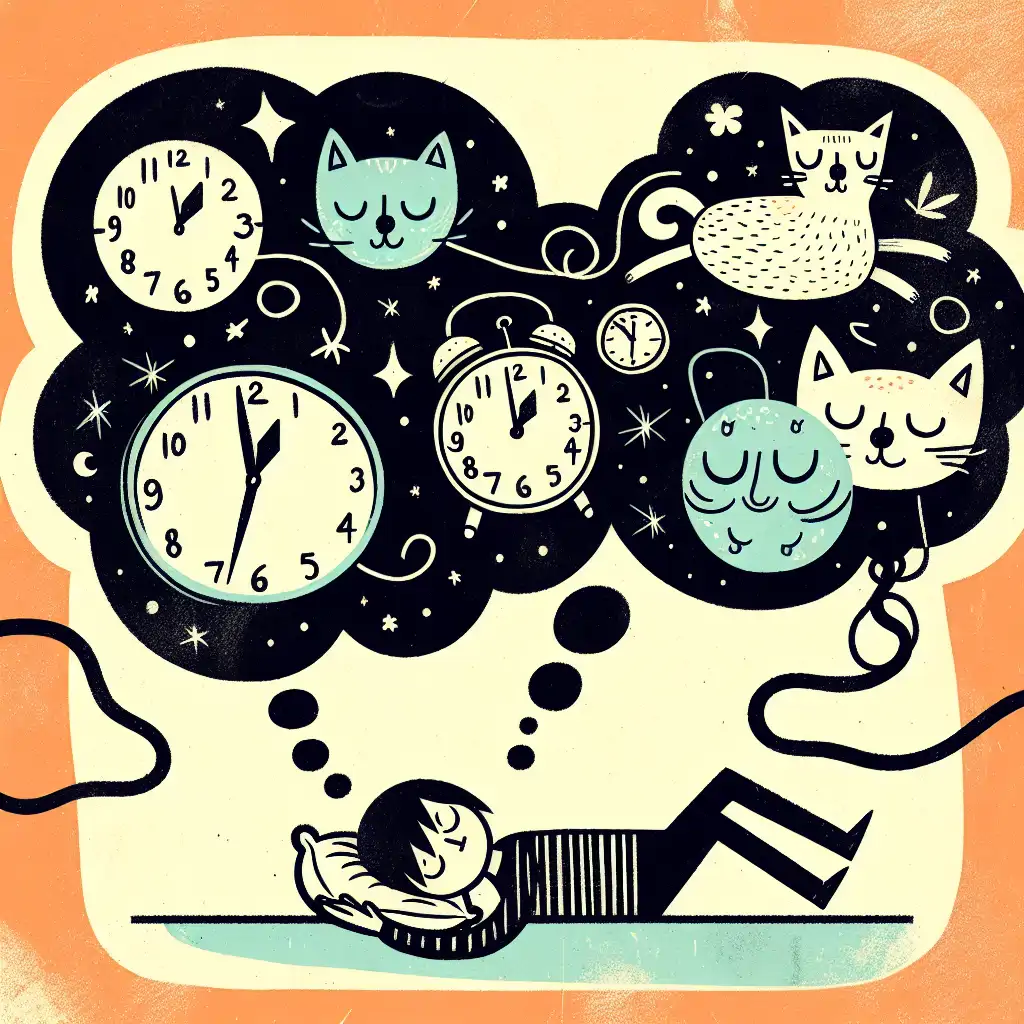
Ever woken up from a dream where you were chasing flying penguins while wearing pyjamas made of spaghetti? No? Just me then. But let's face it, dreams are fascinatingly bizarre, and they all happen during one of the most mysterious yet essential states of our existence: sleep. Each night, we dive headfirst into the world of dreams, encountering an array of narratives and fantasy sequences that could make the best Netflix series green with envy. However, beyond their entertainment value, dreams hold a special place in understanding our psychological well-being. In this article, we will explore how dreams—and the overall quality of sleep—interact with mental health. It’s more than just a layover between bedtime and waking up; sleep impacts how our brains function, our moods, and even our ability to learn. Whether you're preparing to be the next Freud or just keen to understand your own dreamland, stay tuned as we explore the science behind sleep and its importance in mental health.
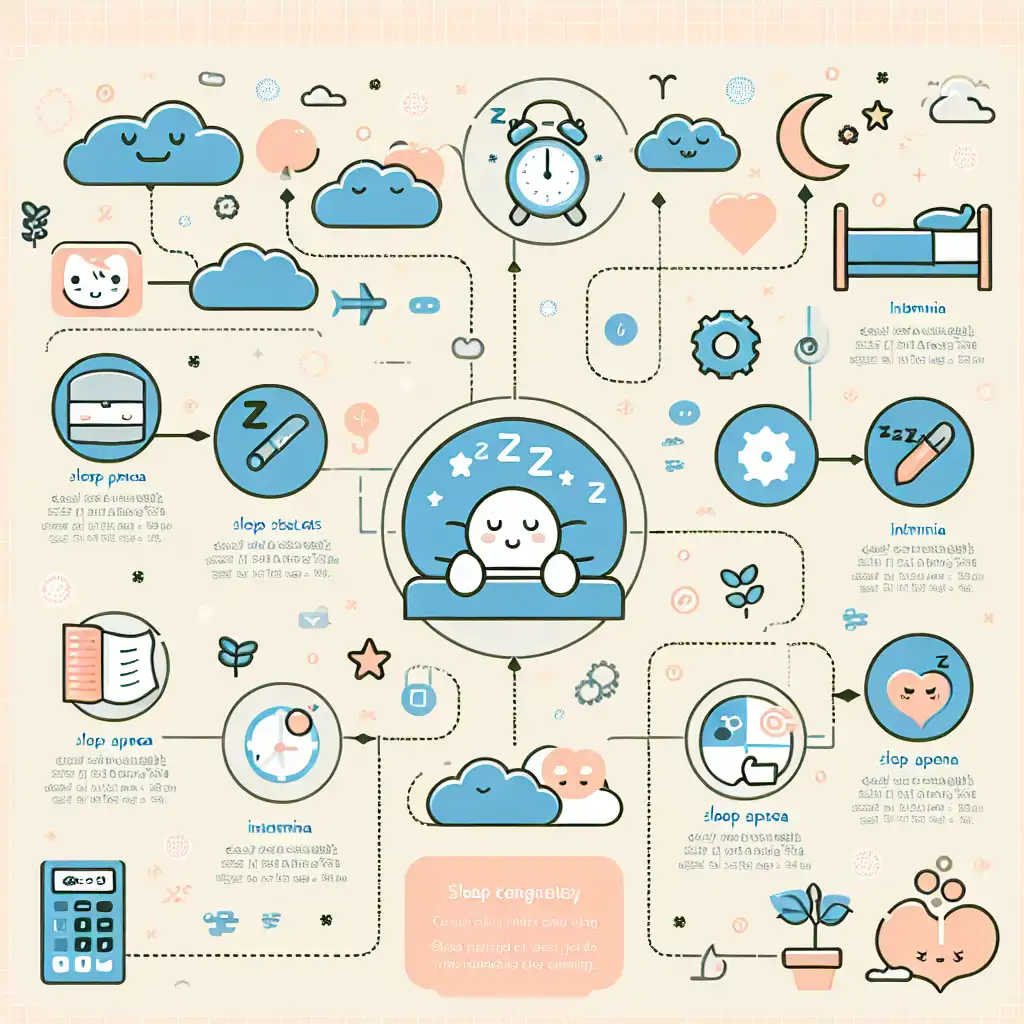
To understand the magic of dreams, we need to step into the biology class for a moment and explore the science of sleep. The sleep cycle consists of five stages, moving from light sleep to deep, restorative sleep, and finally to Rapid Eye Movement (REM) sleep—the holy grail of dreaming. REM is where our brain's creativity comes alive, producing vivid dreams that sometimes leave us pondering their hidden meanings over our morning coffee. But there's more to these stages than mysterious symbols and chase sequences; they're crucial for consolidating memories, emotional regulation, and brain restoration. According to a study conducted by Harvard Medical School, during REM sleep, the brain processes emotions and strengthens neural pathways. So, perhaps, when you dreamt of winning that Oscar for Best Llama Impression, your brain was merely doing its emotional housekeeping.
Disruption in sleep stages can wreak havoc on mental well-being. Enter the notorious sleep villain: insomnia. Defined as a persistent difficulty in falling or staying asleep, insomnia is more than just an inconvenient night of tossing and turning. Chronic insomnia has been linked to depression and anxiety disorders, creating a vicious cycle where the inability to sleep worsens mental disorders, and existing mental conditions make sleep elusive. An insightful study from the University of Michigan discovered that nearly 50% of those suffering from insomnia also contend with depression. This eye-opening data reinforces how crucial sleep is to maintaining mental health. Imagine insomnia as that frustratingly relentless houseguest—impairing mood, cognitive function, and overall zest for life.
Another notable player in the world of sleep intrigue is sleep apnea. Often underdiagnosed, this condition is characterized by repeated interruptions in breathing during sleep. While it sounds like a setup for a horror story, the consequences are very real; fragmented sleep wreaks havoc on psychological health. Research highlighted in The Lancet shows a strong correlation between sleep apnea and heightened levels of anxiety and depression. The cycle of interrupted sleep diminishes the body's capacity to achieve restorative sleep stages, leaving the individual physically and mentally exhausted, sometimes without even realizing it. Tackling sleep apnea through lifestyle modifications, CPAP machines, or medical interventions can significantly improve sleep quality and mental health.
One can't discuss dreams without exploring the peculiar and fascinating discipline of dream analysis. Carl Jung, the grandaddy of dream interpretation, believed dreams were a window to the unconscious mind, revealing insights into our deepest desires and fears. While interpreting dreams might sound like something reserved for late-night talk shows, they can offer genuine introspective value. According to a study published in the International Journal of Dream Research, dream content can affect mood and even influence daytime relationships. So when you dreamt of your boss merging with a singing dolphin, it might be your subconscious nudging you towards understanding your work-life balance... or perhaps it's just a reflection of last night's sushi dinner.
Speaking of sushi dinner-related dreams, what role do lifestyle choices play in our dream dynamics? Plenty, according to science. Factors like diet, exercise, and stress levels intertwine with sleep quality. A fascinating research piece from the Journal of Clinical Sleep Medicine illustrates how a balanced diet and regular physical activity can improve sleep patterns, ultimately aiding mental health. It seems that perhaps following Mom's advice about eating your veggies wasn't just about avoiding scurvy but securing a solid night’s sleep, too. Stress, our omnipresent nemesis, often manifests in vivid dreams or nightmares, reducing the quality of sleep. Learning stress management and relaxation techniques can bolster sleep quality and, thus, our overall mental wellness.
Now, let’s debunk the notion that nightmares are purely the domain of children and horror film enthusiasts. Adults frequently experience nightmares too, often triggered by stress, trauma, or medication. Being jolted awake by a zombie horde or a terrifying test you forgot to study for is no picnic. More striking, however, is their link to mental health; chronic nightmares are often found in individuals with PTSD or anxiety disorders. Dr. Sara C. Mednick, a sleep researcher, reveals that nightmares might be the brain’s way of processing distressing experiences, serving as a nocturnal detox. Therapeutic interventions like Imagery Rehearsal Therapy can help lessen the impact of nightmares and alleviate associated mental health burdens.
Lucid dreaming is the outlier in our sleep stories—a dream where the dreamer is aware they are dreaming and can even control the narrative. Imagine yourself as the scriptwriter and star of your own unique blockbuster. This arena, once deemed exclusive to avid dreamers and fantasy novel protagonists, is receiving attention from psychologists and neuroscientists alike. Studies, such as those from the University of Adelaide, show that practicing lucid dreaming can enhance creativity, break habitual thought patterns, and even assist in treating recurring nightmares. But before you envision yourself a lucid dream master, remember it requires practice and the right techniques, akin to learning magic tricks with your subconscious.
Sleep hygiene remains the underappreciated guardian of quality sleep. No, it doesn't involve scrubbing your bed with industrial cleaner; instead, it's about adopting habits that facilitate good sleep. Maintaining a regular sleep schedule, creating a restful environment, limiting caffeine and screen time before bed can drastically improve sleep quality. Psychology students should consider incorporating sleep hygiene into their revision schedules, benefiting both mental acuity and well-being. Research by sleep organizations emphasizes how sleep-deprived individuals demonstrate impaired cognitive performance and lower resilience to stress. So, setting a sleep schedule isn’t just for toddlers—it’s a crucial step for maintaining your mental fitness.
Figuring out how to make your bedroom the perfect sleep sanctuary might feel like an episode of 'Interior Design 101.' But creating a restful environment can significantly influence sleep quality. Ensure your room is dark, cool, and clutter-free; these tweaks help send signals to your body that it's time for snooze-ville. Recent findings in the Journal of Environmental Psychology highlight that exposure to natural elements, even indoors, can enhance sleep. Think plants, soft lighting, and perhaps those ocean wave sounds you've previously snubbed. Reducing noise pollution can also work wonders; earplugs or a reliable (and rather charming) white noise machine could be your new best friend in the quest for quality sleep.
As we navigate understanding dreams and their implications, it’s crucial to glance towards emerging fields like polysomnography. This sleep monitoring technique measures brain waves, oxygen levels, and body movements while asleep, offering insights into the complexity of sleep disorders and their ties to mental health. Polysomnography plays a pivotal role in diagnosing sleep conditions, thus aiding treatments. With its use becoming more widespread, we're witnessing significant improvements in addressing sleep-related mental health issues. Emphasizing the importance of seeking professional help when experiencing chronic sleep disturbances can't be stressed enough.
Understanding and solving sleep puzzles are critical not just for psychologists but for everyone keen on decoding what truly happens when the lights go out. Whether its REM stages, tackling insomnia, exploring the art of lucid dreaming, or battling sleep apnea, each aspect presents an invaluable chapter in mental health and wellness. With modern research and improved sleep practices, we're armed better than ever to explore, understand, and adjust our sleep patterns, leading to healthier, happier lives. While decoding dreams might remain a mystery akin to finding Narnia, the journey of exploring sleep and its effects embodies an essential step towards mental well-being and balance.

In conclusion, sleep isn't merely a passive state but a complex, dynamic process vital for maintaining mental health and well-being. From the challenges posed by insomnia and sleep apnea to the therapeutic potential in understanding dreams, sleep intricately weaves through our psychological functionality. As we've explored, quality sleep is a cornerstone of mental health; it sharpens our focus, regulates emotions, and even boosts our mood. Examining our sleep patterns can provide insights into both immediate and long-term mental health strategies. By embracing the science of sleep, employing practices like maintaining good sleep hygiene, and seeking professional aid when necessary, we empower ourselves to transform our mental wellness.
It's fascinating to realize that our nighttime reveries, ranging from bizarre penguin chases to triumphant mountaintop victories, offer more than movie-like experiences. They allow introspection and reflection that shape our consciousness and mental fabric. Whether psychology students or curious minds, delving into dream interpretations, exploring REM sleep, and understanding sleep disorders can offer substantial benefits in grasping how sleep influences our daily lives. As we continue on this dream-filled venture, let us embrace sleep as not just the realm of night but as a foundation for fruitful, positive mental health.
So the next time you find yourself perplexed by a dream featuring your pet cat as king, remember that it's just another fascinating piece in the grand puzzle of mental wellness and sleep. As we gain insights and improve sleep practices, the key to restful nights and happier days comes within reach. Sweet dreams!
Thanks for taking the time to read my article! You may also find this one interesting.
Unlocking Creativity: The Science Behind Artistic MindsTil next time! Katie

Katie
Katie is a wildlife guru by day and a passionate part-time blog writer. With her deep expertise in nature and a gift for vivid storytelling, she crafts compelling articles that bring the wonders of the wild to life, captivating readers with her knowledge and love for the natural world.
A proud member of the B-Team
If you're curious to dive deeper into related topics, then you may find these external links useful.
1. Harvard Medical School - Sleep and Mental Health
An insightful study by Harvard Medical School explaining how various sleep stages, particularly REM sleep, relate to emotional regulation and mental health.
https://www.health.harvard.edu/newsletter_article/sleep-and-mental-health2. University of Michigan - Insomnia and Depression Study
A notable study highlighting the relationship between chronic insomnia and depression, showing how persistent sleep difficulties affect mental well-being.
https://www.ncbi.nlm.nih.gov/pmc/articles/PMC6879516/3. The Lancet - Sleep Apnea and Psychological Health
Research from The Lancet connecting sleep apnea with anxiety and depression, emphasizing the mental health consequences of interrupted sleep.
https://www.thelancet.com/journals/lanpsy/article/PIIS2215-0366(17)30328-0/fulltext4. International Journal of Dream Research
A study discussing how dream content can influence mood and behavior, providing insights into the psychological significance of dream analysis.
https://www.nature.com/articles/s41598-023-43319-z5. Journal of Clinical Sleep Medicine - Diet, Exercise, and Sleep
Research illustrating how lifestyle factors such as diet and physical activity affect sleep quality, and how improved sleep patterns benefit mental health.
https://www.ncbi.nlm.nih.gov/pmc/articles/PMC10503965/©2023 - 2026 SP Software Solutions Ltd. All rights reserved.